Walking out of the barbershop with a fresh cut feels like hitting a reset button on your whole week. For Black men across the country, no haircut delivers that feeling quite like the low taper fade black male style. It works with waves, curls, coils, afros, twists, braids, or locs, not against them.
That’s the real secret behind its popularity. This guide covers 30+ style ideas for the low taper fade black male look, a face shape breakdown, a hair texture guide for 3C through 4C hair, a simple barber script, and a full maintenance plan. By the end, you’ll know exactly what to ask for in the chair, how to keep it fresh between visits, and how to pick a version that actually suits your face and lifestyle.
What Is a Low Taper Fade for Black Men and Why Does It Work So Well?
A low taper fade black male haircut gradually shortens the hair around the sideburns, temples, ears, and neckline. It leaves most of the length above that area untouched. The blend stays low on the head instead of climbing up toward the crown like a mid or high fade does.
Think of it as the opposite of a dramatic haircut. There’s no shock factor here, no jarring line between short and long. The whole point is a smooth, almost invisible transition that still looks intentional and sharp.
That placement matters a lot for Black hair. Coily and curly textures already carry natural volume and shrinkage. A low taper keeps that shape intact on top while still giving you a sharp, groomed line around the edges. You get definition without losing your natural texture.
Here’s a quick way to picture it. Imagine your head split into three zones: the crown, the sides, and the perimeter. A low taper fade black male cut only touches that bottom perimeter zone. The crown and most of the sides keep their length, so your waves, curls, or afro still have room to breathe.
Barbers like this cut for a simple reason. It’s forgiving. You don’t need a perfectly symmetrical head shape or a specific hairline for it to look clean. It also grows out better than a high fade, so you’re not stuck rebooking every ten days just to avoid looking shaggy.
Here’s why it has stayed a go-to choice for decades:
- Works with every texture, from loose curls to tight coils
- Grows out cleaner than high or mid fades
- Reads as professional in almost any workplace
- Pairs with facial hair for a finished, connected look
- Needs less upkeep than skin fades or high contrast cuts
If you’ve ever wondered why so many Black men request this exact style, that’s the answer. It’s not trendy for no reason. It’s practical, flattering, and built around how Black hair actually grows.
ALSO READ “Burst Fade Mullet: 25 Best Styles“
Low Taper Fade vs. Mid Fade vs. High Fade: What’s the Difference?
People mix these up all the time, and it’s an easy mistake to make. The name tells you where the fade starts on the head, not how short the hair gets.
A low taper fade black male cut starts right above the ears, near the natural hairline. A mid fade starts a bit higher, roughly at temple level. A high fade climbs even further, sometimes close to the crown, creating a much sharper contrast between the sides and the top.
| Fade Type | Starting Point | Contrast Level | Best For |
|---|---|---|---|
| Low taper | Just above the ears | Subtle, gradual | Workplace settings, natural texture on top |
| Mid fade | Temple level | Moderate | A balance of clean and bold |
| High fade | Near the crown | Sharp, dramatic | Trendier, more attention-grabbing looks |
None of these is objectively better. It comes down to how much contrast you want between your sides and your top. If you like your natural texture to be the main focus, a low taper fade black male cut keeps the attention up top where the curls, waves, or coils live. If you want a bolder, more graphic look, mid or high fades push more attention to the sides.
One more thing worth knowing. A low taper is usually the easiest of the three to grow out. Since the fade sits lower, a few extra weeks between trims won’t leave you with an obvious, awkward line partway up your head the way a high fade sometimes does.
30+ Best Low Taper Fade Black Male Styles
This is the part you came for. Below are 30+ ways to wear the low taper fade black male cut, organized by texture and top style so you can find your match fast.
Waves and Curls
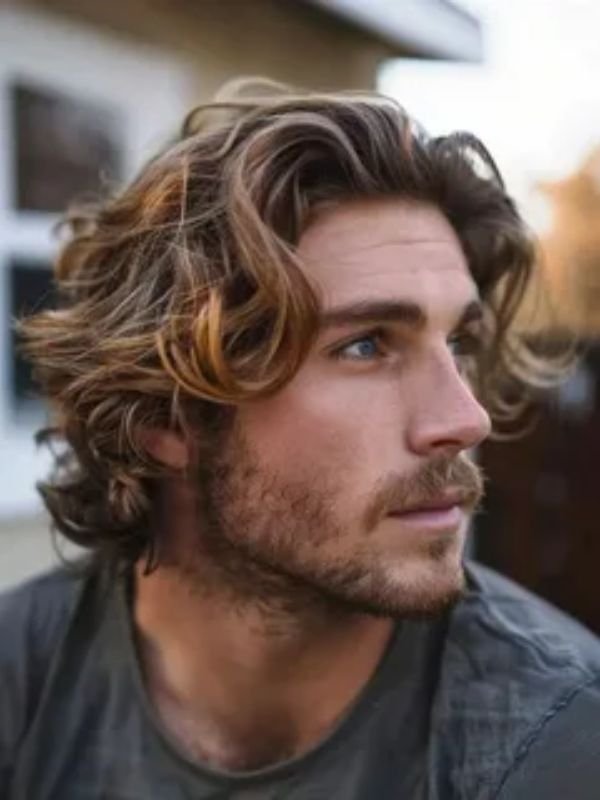
1. 360 Waves with Low Taper The fade begins just above the ears and blends down cleanly, letting the wave pattern on top stay the star. Brush consistently and this combo reads as pure discipline.
2. Deep Waves Low Taper Deeper wave patterns need a slightly longer top so the spin shows. Pair with a durag at night to lock in the pattern.
3. Loose Curl Low Taper
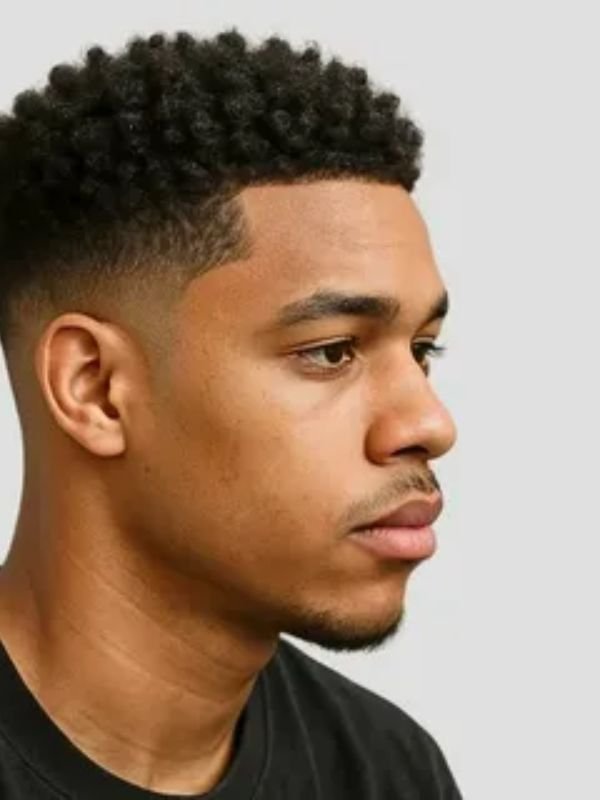
Great for men with softer curl definition. A curl cream keeps the top defined without weighing it down.
4. Curly Top Low Taper Longer curls on top, tight and clean on the sides. This one photographs well and works for both casual and dressed-up looks.
5. Spiral Curls Low Taper A bit more length up top lets the spiral pattern show off. Ask your barber to point cut instead of blunt cut the ends.
6. Wet Look Curl Fade
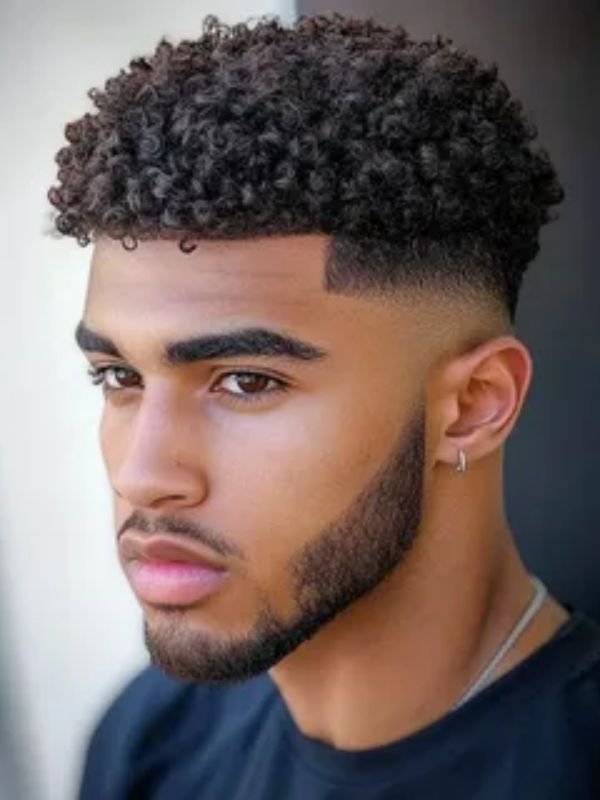
Curl activator plus a low taper gives you that shiny, freshly cut look every single day.
Wave and curl styles paired with a low taper fade black male cut usually need the most consistent daily attention out of every category on this list. Brushing, wrapping, and product application become part of your routine, not just something you think about before an appointment. The upside is that once the pattern sets in, it holds for weeks with minimal barbershop touch-ups.
Afro Styles
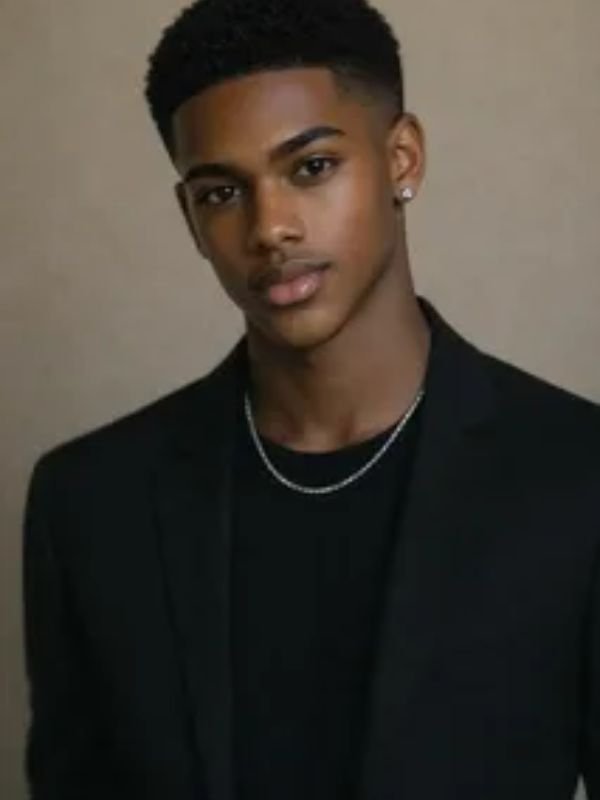
7. Short Afro Low Taper One to two inches of rounded texture on top with clean tapered sides. This is arguably the most classic low taper fade black male combo of all time.
8. Full Afro Low Taper Three to five inches of natural afro contrasted against smooth, blended sides. Use a pick to shape and add height to the crown.
9. Tapered Afro Puff A rounder, boxier afro shape paired with a tight low taper. Clean and structured without looking overdone.
10. Afro Fade with Design Add a simple line or part design at the temple for extra detail without going overboard.
Afro styles paired with a low taper are some of the lowest daily maintenance options here. A quick pick and a bit of oil in the morning is usually all it takes. Where the effort goes instead is into moisture, since a dry afro loses its shape and shine faster than a well-moisturized one.
Twists, Braids, and Locs
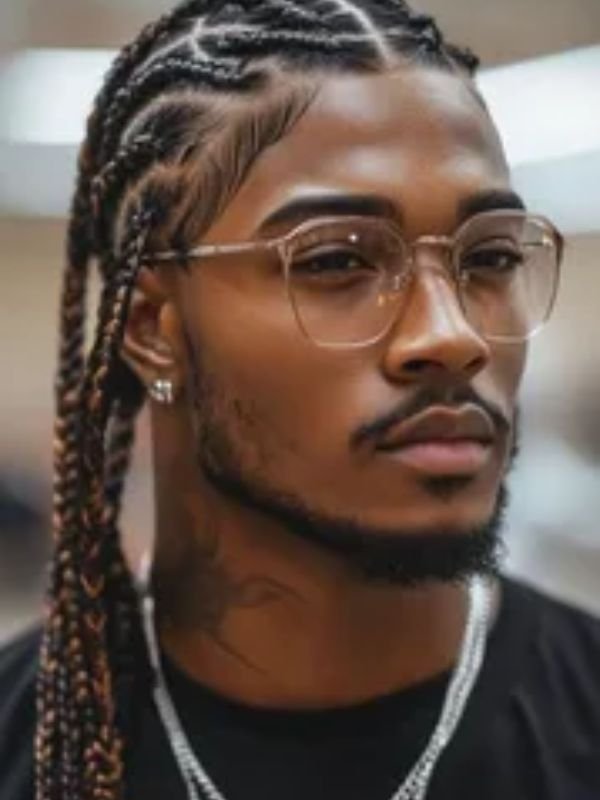
11. Two-Strand Twists Low Taper Defined twists on top, faded sides for contrast. One of the lowest-maintenance combos on this list.
12. Twist Out Low Taper Unravel your twists for a fuller, textured look up top while keeping the perimeter sharp.
13. Braids with Low Taper Cornrows or box braids paired with a clean taper keep the sides tidy and highlight the braid pattern.
14. Micro Braids Low Taper Smaller braids create more texture and movement on top, balanced by the faded sides.
15. Locs with Low Taper A low taper fade black male dreads combo keeps the sides sharp while your locs mature naturally on top.
16. Freeform Locs Low Taper
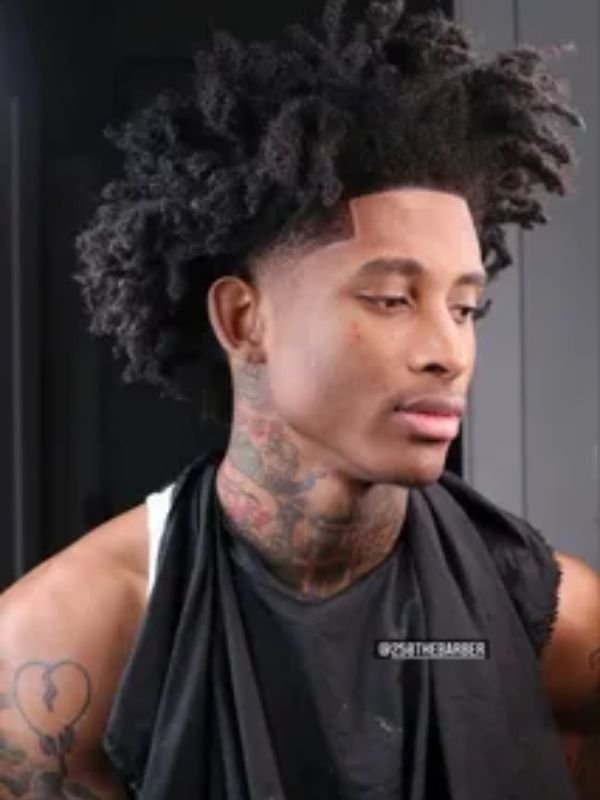
For a looser, more natural loc journey, this pairing still reads clean thanks to the crisp perimeter.
17. Sisterlocks Low Taper Finer, more delicate locs paired with a subtle fade for a refined, put-together finish.
This category tends to require the most planning at the barbershop, since your barber needs to work carefully around existing twists, braids, or locs rather than cutting through loose hair. Book with someone who has direct experience fading around locs specifically, since the technique differs from a standard low taper fade black male cut on loose hair.
Short and Textured Cuts
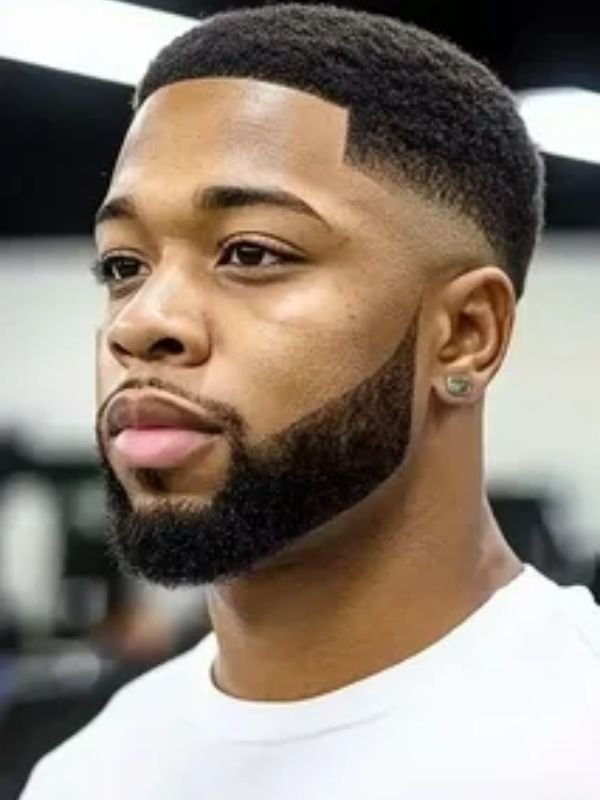
18. Textured Crop Low Taper Short, choppy texture on top with a low taper underneath. Low effort, high payoff.
19. Caesar Cut Low Taper
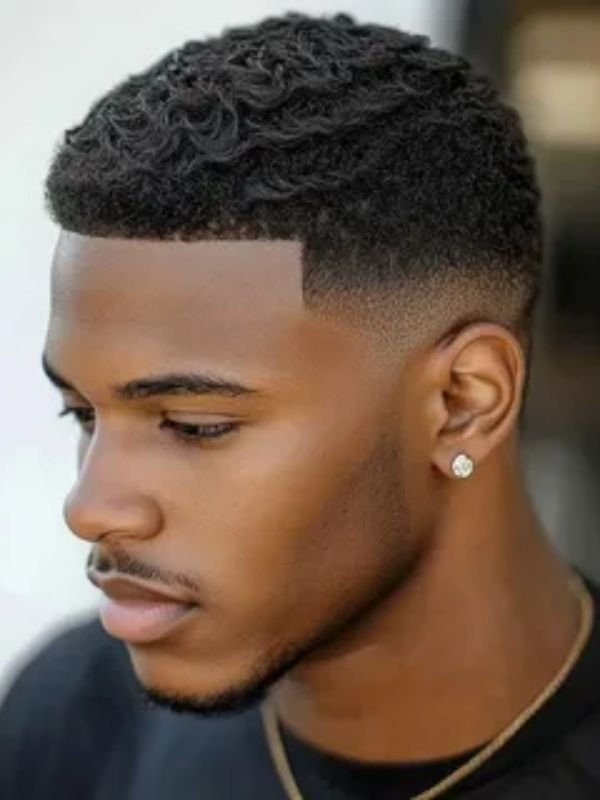
A short, horizontally textured top with a light fringe, blended into a low taper. Timeless and workplace friendly.
20. Buzz Cut Low Taper Very short all over on top with a slightly longer perimeter fade for subtle contrast.
21. Crew Cut Low Taper
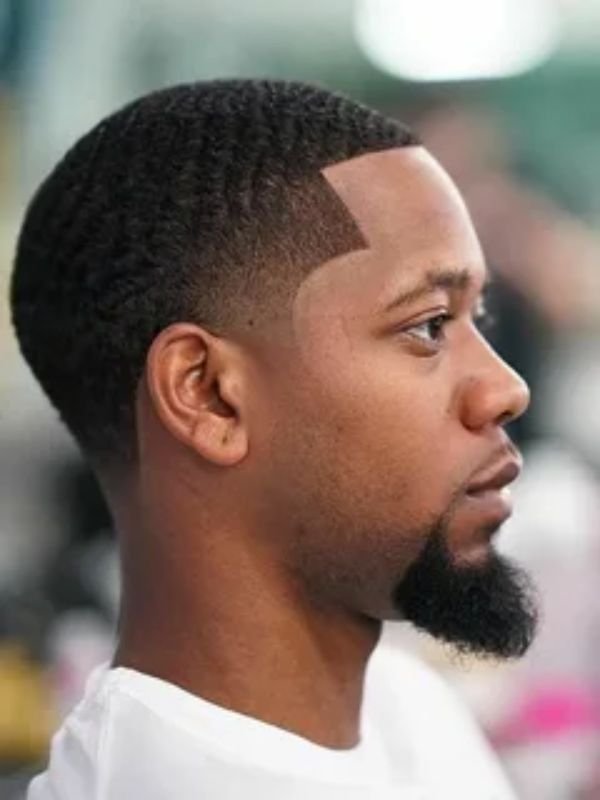
A bit more length on top than a buzz cut, still short and low maintenance, paired with a clean taper.
22. Sponge Twist Low Taper A textured, defined look created with a twist sponge, kept sharp with a low fade around the edges.
These short, low-maintenance options are a good fit if mornings are tight or you just prefer simplicity. They also tend to hold their shape the longest between trims, since there’s less length up top to grow unevenly.
Sharp and Design-Forward
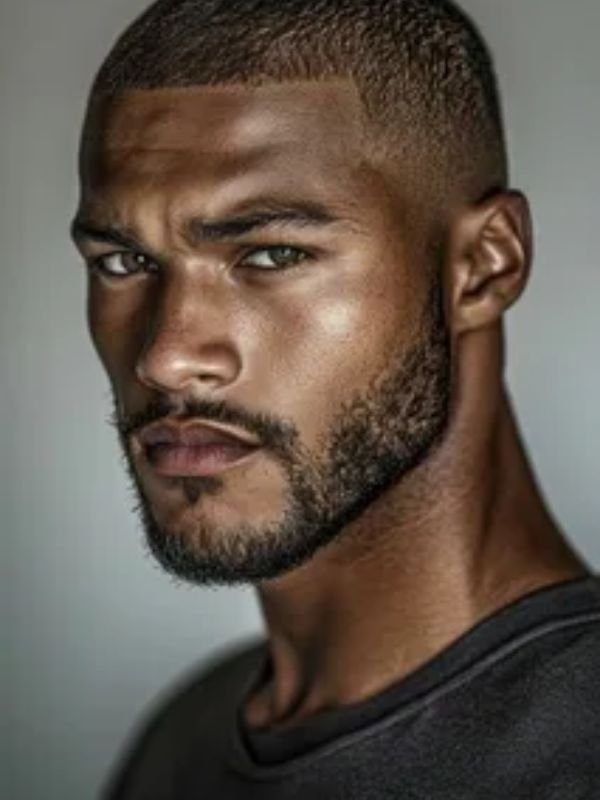
23. Line Up with Low Taper A crisp, razor-sharp line-up paired with the fade for maximum definition around the hairline.
24. Hard Part Low Taper A shaved line separating your part from the rest of the style. Adds a modern, edgy detail.
25. Pompadour Low Taper Volume and height on top, swept back, with the classic taper underneath for contrast.
26. Side Part Low Taper A defined, combed side part for a polished, slightly dressier version of the cut.
27. Mohawk Fade Low Taper A narrower strip of length down the center, faded low on both sides for a bolder statement.
28. Fringe Low Taper A soft fringe or bang left longer at the front, tapered low around the rest of the head.
These design-forward options make the biggest style statement on this list. They’re a great way to personalize a low taper fade black male cut without changing the low fade foundation that makes the whole style work in the first place.
With Facial Hair
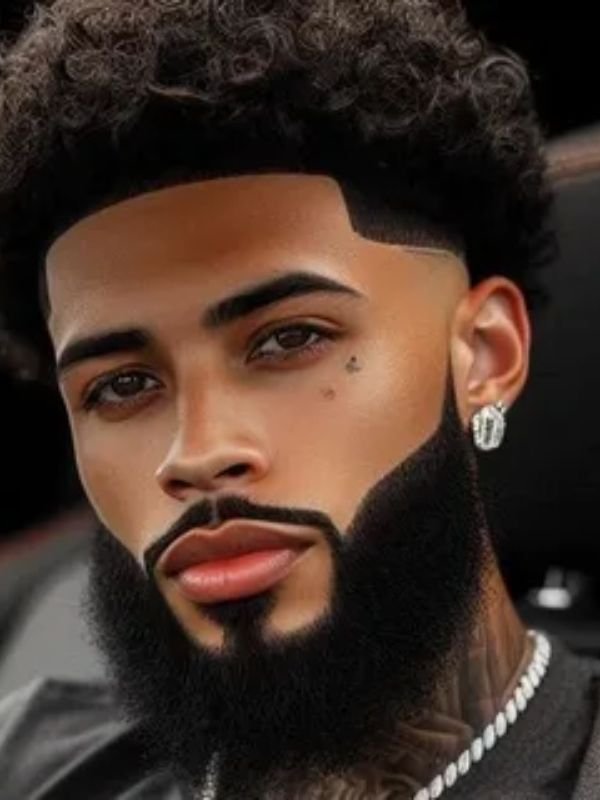
29. Low Taper Fade with Full Beard The beard blends directly into the sideburn taper for one continuous, connected shape.
30. Low Taper Fade with Beard Line-Up A crisp beard line paired with a sharp haircut line-up. This is the most requested combo for formal occasions.
31. Low Taper Fade with Goatee A cleaner, more minimal facial hair option that still connects nicely into the sideburn fade.
If you’re growing your beard out, mention that to your barber before they start on the haircut. They can leave a little extra room at the sideburn so the two grow together instead of leaving an awkward gap a week or two down the line.
For Boys and Younger Guys
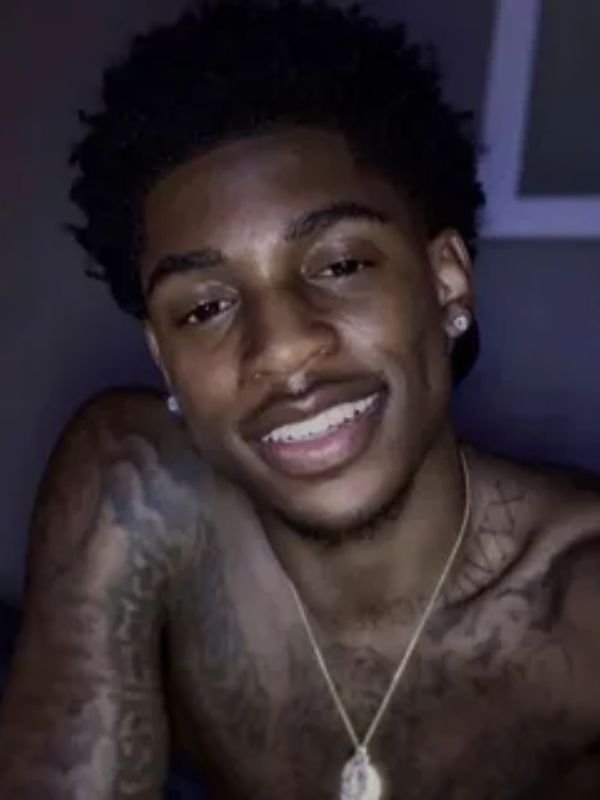
32. Kids Low Taper Fade A softer, shorter version of the adult cut, easy to maintain for school and sports.
33. Low Taper Fade with Part Design A fun, simple design detail that works well for younger guys who want something a little different.
Every one of these works because the fade itself stays low and flexible. You’re not locked into one top style. Black hair textures and this haircut were basically made for each other.
Best Low Taper Fade Style for Your Face Shape
Not every version of the low taper fade black male cut suits every face the same way. A little bit of shaping on top can change how your whole face reads.
| Face Shape | What to Ask For | Why It Works |
|---|---|---|
| Round | More height on top, less width on the sides | Adds length and visually slims the face |
| Square | Rounded top, softer edges on the line-up | Balances a strong jawline without sharpening it further |
| Oval | Almost any top style | Naturally balanced proportions, hardest shape to get wrong |
| Heart | Volume on top, narrower at the temples | Balances a wider forehead against a narrower chin |
| Diamond | Fuller crown, tapered temples | Softens angular cheekbones |
| Long/Rectangle | Flatter top, more width at the sides | Keeps the face from looking stretched |
A quick trick barbers use: stand in front of a mirror and trace your face outline with a dry-erase marker on the glass. Round shapes need height. Wide shapes need less bulk up top. Long shapes need width, not height.
Let’s break each shape down a little further, since “add height” or “add width” can feel vague without context.
Round faces tend to look best with more vertical volume, like a short afro or a textured crop with lift at the crown. Keeping the sides tight and low helps too, since extra bulk on the sides only adds to the roundness.
Square faces usually have a strong, defined jawline already, so the goal is balance rather than more sharpness. A softer, slightly rounded top paired with a gentle line-up (instead of a razor-sharp one) keeps the whole look from feeling too angular.
Oval faces are the easiest to work with. Almost every style on this list, from a full afro to a tight buzz cut, will look proportional. If you have an oval face, feel free to pick based purely on personal taste.
Heart-shaped faces are widest at the forehead and narrow at the chin. Adding volume on top and keeping the sides close balances that proportion out nicely.
Diamond faces have narrower foreheads and chins with wider cheekbones. A fuller crown paired with tapered temples softens those angles.
Long or rectangular faces benefit from width over height. Skip the extra crown volume and instead ask for a flatter top with a bit more fullness on the sides.
Don’t stress over getting this perfect on the first try. A good barber will glance at your face shape before you even sit down and adjust the plan without you asking. Mention your face shape anyway. It saves time and gets you closer to the right cut faster.
How Black Hair Textures Work with the Low Taper Fade
Black hair covers a wide range of curl patterns, and the low taper flatters nearly all of them. Here’s a quick breakdown by texture type.
| Curl Type | Description | Best Low Taper Approach |
|---|---|---|
| 3C | Tight, springy curls | Keep more length on top to show the curl bounce |
| 4A | Soft, defined coils | Medium length with a curl cream for shape |
| 4B | Z-pattern coils, less defined curl | Twist outs or afro styling work best |
| 4C | Tightest coil pattern, most shrinkage | Longer length compensates for shrinkage; picks add volume |
The main thing to understand is shrinkage. Tighter curl patterns like 4B and 4C shrink up significantly once dry. What looks short right after a wash can actually be a few inches long when stretched. Talk to your barber about this before they start cutting, or you might end up shorter than you wanted.
Density matters too. Thicker, denser hair holds shape better on top, which means you can go a little longer without it flopping. Finer hair might need product or a slightly shorter length to hold its form throughout the day.
Moisture is non-negotiable with natural textures. Dry curls break more easily and look duller. A leave-in conditioner and a light oil, used a few times a week, keep the top section of your low taper fade black male cut looking healthy between barbershop visits.
Porosity is another factor most guides skip over. High porosity hair soaks up moisture fast but loses it just as quickly, so it usually needs richer creams and sealing oils. Low porosity hair resists moisture at first but holds onto it longer once it’s absorbed, so lighter, water-based products tend to work better.
If you’re not sure which category your hair falls into, here’s a simple test. Drop a clean strand of hair into a glass of water. If it sinks fast, you likely have high porosity hair. If it floats for a while, your porosity is probably lower. This one detail can change which products actually work for you.
How to Ask Your Barber for a Low Taper Fade
Walking in with the right words saves you time, money, and a haircut you don’t love. Here’s a simple script you can use almost word for word.
Basic barber script:
“I want a low taper fade, starting just above my ears. Keep the fade low, don’t bring it up past my temple. Leave [X inches] on top for my [waves/curls/afro/twists].”
Break your request into these five pieces so nothing gets lost:
- Fade placement: Confirm it starts low, near the ears, not mid or high on the head
- Top length: Give an actual number in inches, not just “not too short”
- Neckline shape: Natural, rounded, or squared off
- Beard blend: Mention if you want your beard connected to the sideburn taper
- Line-up: Ask for a sharp, medium, or soft line depending on how crisp you want the edges
A few common mistakes to avoid:
- Showing a mid fade photo while asking for a low taper. The barber will follow the photo over your words every time.
- Forgetting to mention your beard, which can leave a mismatched, unfinished look at the jawline.
- Asking for too much off the top. A low taper needs some length up there to balance the clean sides.
- Pushing your line-up too far back, past your actual hairline, which looks unnatural as it grows out.
If you’re not sure how to describe your desired top length, bring two or three reference photos. Barbers read pictures faster than words, and it takes the guesswork out of the whole appointment.
Here’s a real scenario that plays out in barbershops every week. A guy sits down, says “just clean it up,” and walks out with a completely different cut than he pictured. Vague instructions leave too much room for interpretation. The more specific you are, even if it feels excessive, the closer you’ll get to the exact low taper fade black male look you had in mind.
It also helps to ask questions back. If your barber suggests something different than what you described, ask why. A good barber will explain how your hair grows or how your face shape affects the plan. That back and forth usually leads to a better result than just nodding along.
How to Maintain Your Low Taper Fade
A sharp low taper fade black male cut doesn’t stay sharp by accident. It needs a bit of a routine between visits.
How often to get a trim:
- Every 2 to 3 weeks for a crisp, freshly cut look
- Every 4 weeks if you prefer a softer, more grown-out edge
- Weekly line-up touch-ups if you’re maintaining wave patterns
Daily and weekly care:
- Brush waves consistently, at least twice a day, in the same direction
- Moisturize with a leave-in conditioner every two to three days
- Use a light oil or pomade rather than heavy grease, which can clog and dull the look
- Wrap or durag your hair at night to protect the pattern and edges
- Avoid brushing curls or coils while completely dry, since that causes breakage
Product basics:
| Product | What It Does |
|---|---|
| Leave-in conditioner | Adds moisture without weighing hair down |
| Curl cream | Defines curls and reduces frizz |
| Edge control | Keeps the line-up sharp between trims |
| Light oil | Adds shine and softness |
| Durag or wave cap | Protects the pattern while sleeping |
Between barbershop visits, a small handheld trimmer can help you clean up stray hairs around the neckline and sideburns. Just don’t try to redo the whole fade yourself. That blend takes practice, and one wrong pass can set you back weeks.
A simple wash day routine that works well with this cut:
- Pre-poo with a light oil for 10 to 15 minutes before washing to soften the hair
- Shampoo with a sulfate-free, moisturizing formula, focusing on the scalp
- Condition, then detangle gently with a wide-tooth comb, starting at the ends
- Air dry or diffuse on low heat to avoid disrupting your curl or wave pattern
- Apply a leave-in conditioner and light oil while hair is still slightly damp
Washing too often can strip natural oils and leave curls dry and brittle. Most men with textured hair do well washing once or twice a week, with light moisturizing in between rather than a full wash every day. Your scalp and hair type will tell you what actually works, so adjust from there if you notice more dryness or buildup than usual.
The Cultural Significance of the Low Taper Fade for Black Men
The low taper fade black male style isn’t just a technical haircut. It sits inside a long tradition of Black grooming where barbershops work as more than businesses.
For generations, the barbershop has been a gathering space. It’s where conversations happen, where mentorship gets passed down, and where young men learn how to carry themselves. A haircut in that setting carries weight beyond appearance.
This particular cut also bridges generations in a literal way. Grandfathers and grandsons have both worn some version of it, whether that meant a short afro in the 1970s or a wave pattern today. Few haircuts manage to stay relevant across that much time.
There’s also an identity piece here. For many Black men, a fresh cut is tied to confidence and self-presentation. Showing up clean and sharp isn’t vanity. It’s often described as a form of respect, both for yourself and for whoever you’re meeting that day.
Celebrities have helped keep the style visible too. Public figures across music, sports, and entertainment have worn versions of this cut, which keeps it circulating through barbershops and social media alike. But the cut didn’t need celebrities to matter. It was already a staple long before any single public figure popularized it.
There’s also an economic thread running through this tradition. Black-owned barbershops have long served as small business anchors in their communities, training apprentices, employing local barbers, and staying open through economic ups and downs. Every appointment supports that chain in a small way.
Social media has added a newer layer on top of all this history. Barbers now post transformation videos, share their booking links, and build entire followings around their cutting style. The low taper fade black male look shows up constantly in these clips, partly because it photographs and films so well thanks to that clean, gradual blend.
Low Taper Fade Black Male: 2026 Trends
Every year brings small shifts to how this classic cut gets styled. Here’s what’s showing up in barbershops right now.
- Textured tops over slick tops. Natural, tousled texture is beating out heavily gelled, flat styles this year.
- Softer line-ups. Instead of razor-sharp, blade-thin lines, many men are asking for a slightly softer, more natural edge.
- Beard and haircut symmetry. Barbers are spending more time matching beard shape to haircut shape as one connected look.
- Subtle part designs. Small, understated shaved details, rather than bold patterns, are trending for a cleaner overall finish.
- Longer top lengths. More men are keeping extra length on top in 2026 to show off curl and coil definition instead of cutting it short.
- Natural texture first. Fewer men are chemically altering their texture just to fit a style. Barbers are adapting cuts to natural hair instead.
None of this replaces the fundamentals though. The low fade placement, the clean neckline, and the texture-forward top are still what makes this haircut work. Trends just tweak the details around that foundation.
Barbers are also reporting more requests tied to specific occasions this year. Men are asking for a slightly sharper version before job interviews or weddings, then letting it soften back into a more natural texture for everyday life. Having that flexibility built into one haircut, rather than needing two completely different cuts, is part of why the low taper fade black male style keeps holding up year after year.
How to Choose and Personalize Your Low Taper Fade
With 30+ options above, picking one can feel overwhelming. Here’s a simple way to narrow it down.
There’s no single “best” version of the low taper fade black male haircut. The right one depends on a mix of your texture, your schedule, and your personal taste, not just whatever’s trending that month.
Start with your hair texture, not the picture that looks coolest online. A style built for loose curls won’t translate the same way onto 4C coils, and your barber will need to adjust length and product to compensate either way.
Next, think about your actual routine. If you’re not going to brush waves twice a day, don’t chase a wave pattern that depends on it. Pick something that fits the time you actually have each morning.
Finally, bring it back to your face shape and lifestyle. A textured crop or short afro works almost anywhere, from job interviews to weekend plans. A bolder design or mohawk fade might need a more casual setting to really land.
A few quick personalization ideas:
- Add a subtle part or line detail to an otherwise simple style
- Match your beard shape to your haircut shape for a connected look
- Adjust top length seasonally, longer in cooler months, shorter in summer heat
- Save two or three reference photos on your phone before every appointment
Don’t be afraid to change things up every so often either. Sticking with the same exact low taper fade black male style for years isn’t required. Many men rotate between two or three variations depending on the season, their schedule, or just how they’re feeling that month. The low fade foundation stays consistent, but the top styling can shift as often as you want.
If you’re switching barbers or trying a new shop, bring photos of your last cut along with your new reference. It gives the new barber a starting point and helps them understand how your hair actually behaves, not just how you want it to look in theory.
Building a good relationship with one regular barber also pays off over time. They’ll remember how your hair grows, which products you use, and which version of the low taper fade black male cut you’ve liked best in the past. That history saves you from re-explaining everything at every single appointment.
Common Mistakes to Avoid With a Low Taper Fade
Even a great haircut can go wrong if a few small details get overlooked. Here are the mistakes that come up most often with this cut.
Skipping regular trims. A low taper fade black male cut looks its best in that first week or two. Waiting too long between visits lets the line soften into a blurry, undefined edge that’s harder to sharpen back up.
Using the wrong products. Heavy grease or wax can weigh down natural texture and clog pores along the hairline. Lighter creams and oils tend to work better for most curl and coil patterns.
Ignoring the neckline. A messy or overgrown neckline can make an otherwise sharp haircut look unfinished. Ask your barber to clean this up every visit, even if you’re just getting a light trim.
Over-brushing dry hair. Brushing curls or coils while bone dry causes unnecessary breakage. Add a bit of moisture first, then style.
Copying a photo that doesn’t match your texture. A style that looks amazing on someone with looser curls might not translate the same way onto tighter coils, and vice versa. Use photos as a starting point, then let your barber adjust for your actual hair.
Not communicating changes over time. Hair grows differently across seasons, especially with humidity and temperature shifts. What worked for your low taper fade black male cut in the summer might need small tweaks come winter.
Frequently Asked Questions
What is a low taper fade for Black men? It’s a haircut where the hair gradually shortens around the ears, temples, and neckline, staying low on the head instead of climbing up like a mid or high fade.
How is a low taper fade different from a skin fade? A low taper leaves some length even at the shortest point. A skin fade goes down to bare scalp.
How often should I get my low taper fade trimmed? Every 2 to 3 weeks for a sharp look, or every 4 weeks for a softer grow-out.
Does a low taper fade work with 4C hair? Yes. Keep extra length on top to compensate for shrinkage, and use picks or twist outs for volume.
Can I get a low taper fade with a beard? Absolutely. Ask your barber to blend the sideburn taper directly into your beard line for one connected shape.
What top length should I ask for? Give an actual number in inches based on the style you want, rather than a vague description like “not too short.”
Is a low taper fade professional enough for work? Yes. It’s one of the most workplace-friendly cuts because of its clean, subtle finish.
Can kids get a low taper fade? Yes, a softer, slightly shorter version works well for boys and requires very little daily upkeep.
Does this style work with locs or braids? Yes. The low taper keeps the sides sharp while your locs, twists, or braids do their thing on top.
How do I stop my low taper fade from looking uneven as it grows out? Book your next trim before the fade fully grows out, and use a leave-in conditioner to keep the top looking healthy in between.
How much does a low taper fade usually cost? Prices vary by city and barber experience, but most men pay somewhere between a standard men’s haircut and a premium fade price, depending on the shop.
Can I do a low taper fade myself at home? Basic cleanup with a trimmer is possible, but the actual fade blend takes real skill. Most men get better, longer-lasting results from a barber, especially for the first few cuts.
What makes the low taper fade black male style different from other men’s fades? It works with natural Black hair texture instead of against it, staying low enough to keep curls, coils, and waves as the main focus of the cut.
Final Thought
The low taper fade black male haircut has earned its place as a barbershop staple because it respects natural texture instead of fighting it. Whether you’re rocking waves, curls, an afro, twists, braids, or locs, there’s a version of this cut built for you.
Bring the barber script above to your next appointment, mention your face shape and hair texture, and stick to a simple maintenance routine between visits. That’s really all it takes to keep this low taper fade black male style looking sharp all year long.
At the end of the day, this haircut works because it puts your natural hair first instead of forcing it into someone else’s template. Pick the variation that fits your texture, your routine, and your face shape, then let your barber handle the technical side. That combination is what turns a good cut into your signature look.

Ethan Parker is a hair and hairstyle writer with 5 years of experience researching haircuts, styling techniques, and hair trends. He shares simple tips, practical guides, and hairstyle ideas to help readers choose looks that suit them. His goal is to make hair care and styling easy to understand for everyone.