Your kid’s hair is growing out and the bangs are in their eyes. The barbershop chair feels like a battle you’d rather skip. A kids mullet haircut might be the fix. It keeps the front short, lets the back grow, and hides the awkward in-between stage better than most cuts.
The old “business in the front, party in the back” joke has aged well. Today’s kids mullet haircut is softer, cleaner, and far more wearable than the 1980s version. Barbers add texture, fades, and layers, so the shape looks planned rather than accidental.
This guide covers 21 popular styles for boys and girls, tips for every hair type, a simple script for your barber, and honest advice on upkeep. Whether your child wants a sporty fade or a fluffy curly shag, a kids mullet haircut can fit.
Popular Kids Mullet Haircuts
Here are 21 styles worth saving before your next barber visit. Each one notes who it suits best, so you can skip the guesswork. Any kids mullet haircut on this list can be dialed up or down, depending on how bold your child wants to go.
1. Classic Boys Mullet
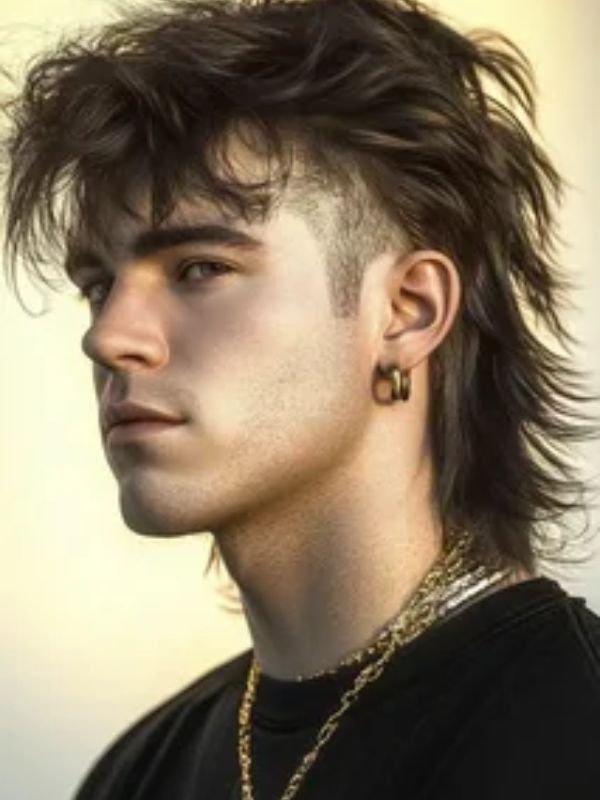
Short on top and sides, longer at the back. This is the foundation for every other style here. It’s a solid pick for boys aged 4 to 12 who want a cool cut without a big commitment.
2. Taper Fade Mullet
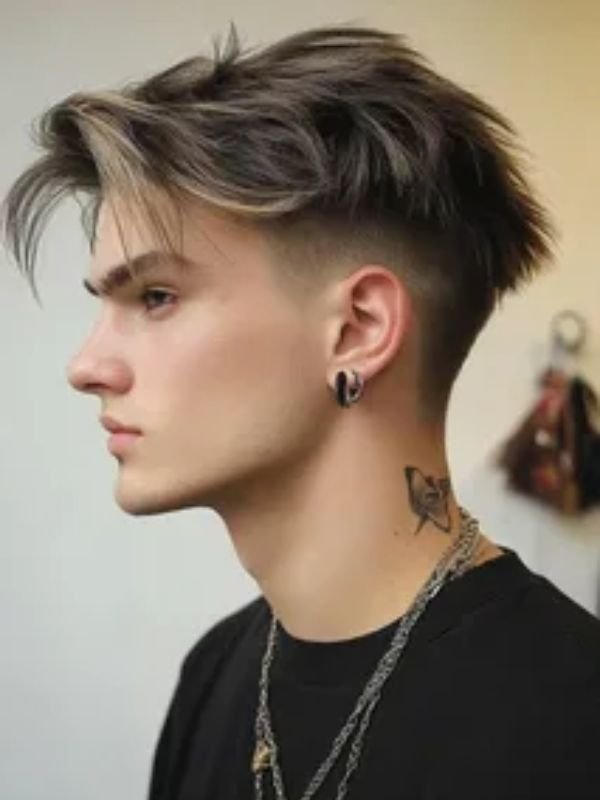
The sides shrink gradually from the temple down to the neckline. It looks tidy for school, yet the back keeps its length. Think of it as the middle ground between clean-cut and shaggy.
3. Burst Fade Mullet
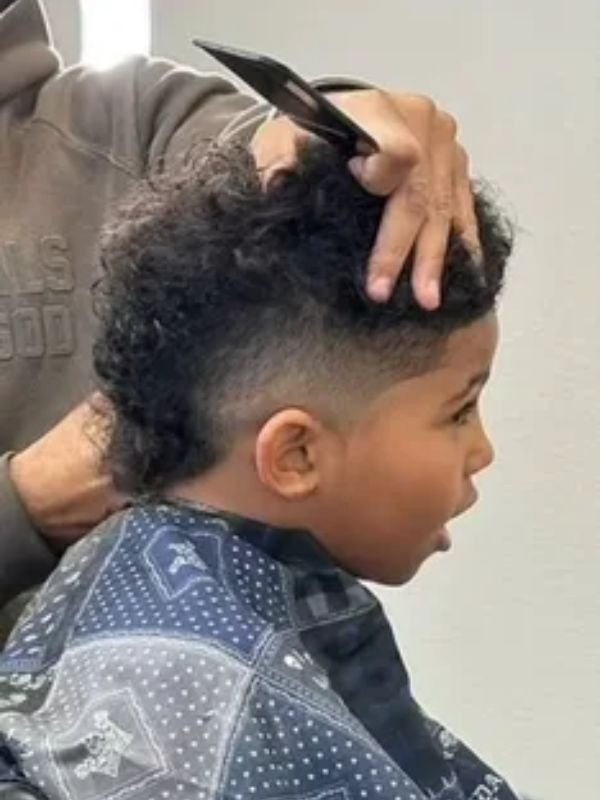
The fade curves around the ear instead of running straight back. That gives a sharper look and takes bulk out of thick hair. It’s bold, but surprisingly easy to live with.
4. Low Fade Mullet
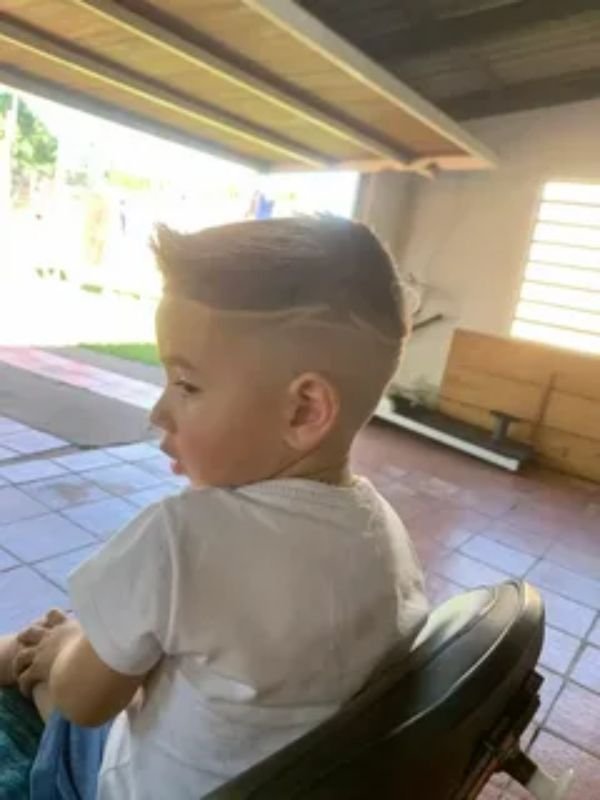
The fade starts just above the ear, so most of the sides stay intact. It’s subtle and tidy. Families trying a mullet for the first time often start here.
5. Mini Mullet
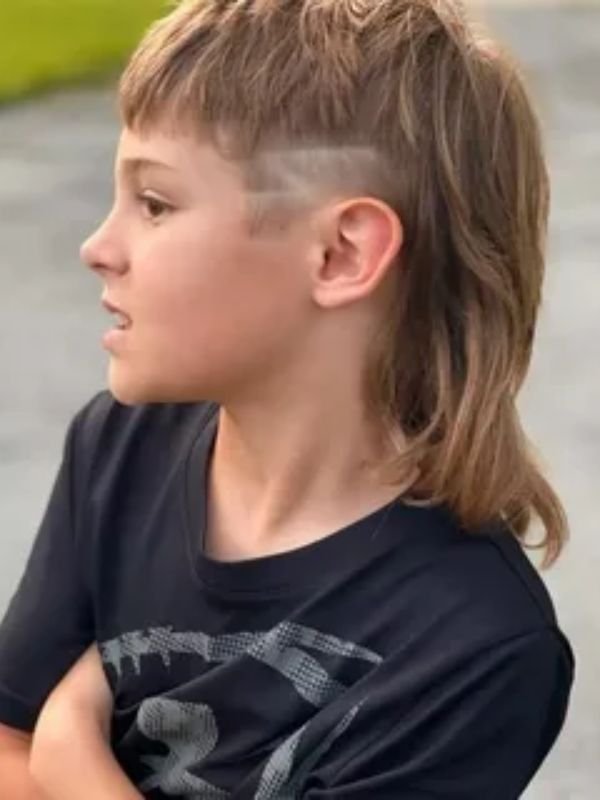
The back only reaches the collar, which keeps things playful and neat. It’s ideal for little kids and cautious parents. If your child changes their mind, it’s quick to trim off.
6. Curly Mullet
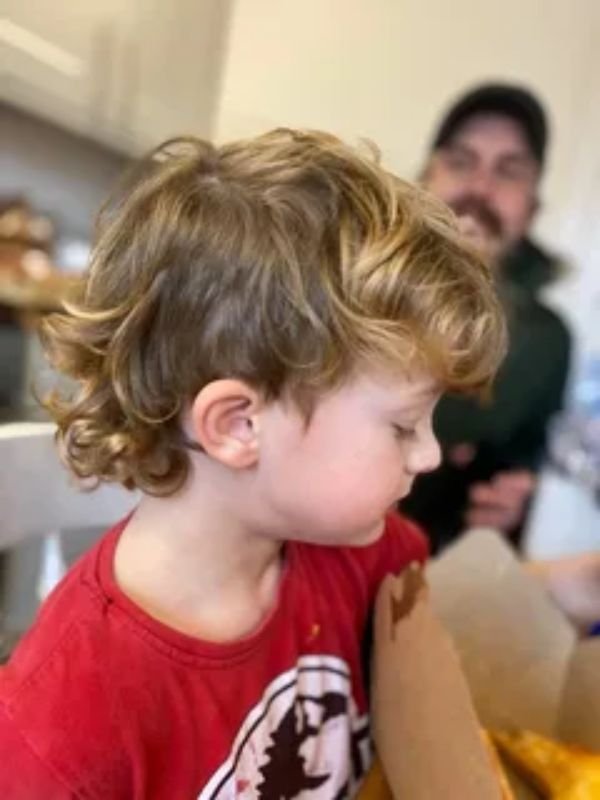
Curls stack on top and spring down the back, so natural volume does the styling for you. Ask the barber to cut with the curl pattern, not against it. It’s a great way to show off texture.
7. Shag Mullet
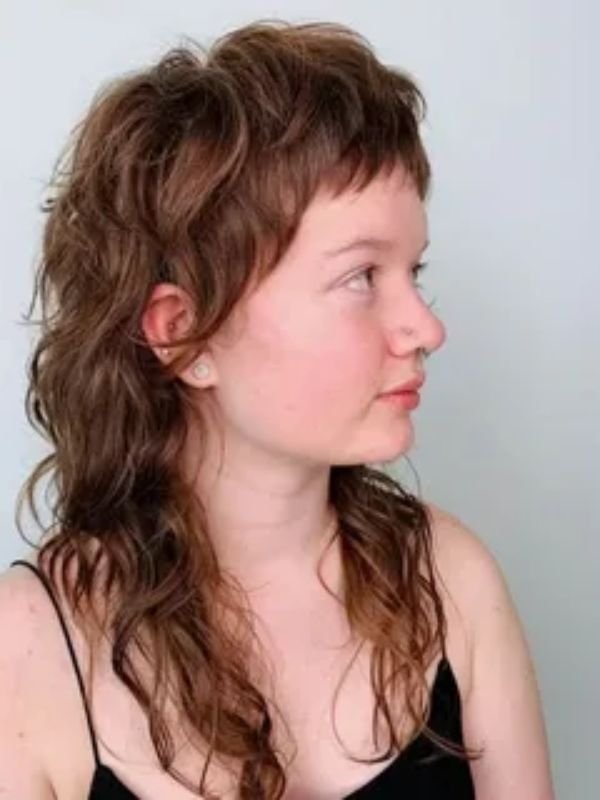
Choppy layers and a deliberately messy finish define this one. It works best on straight to wavy hair and looks great air-dried. It’s perfect for kids who hate brushing.
8. Wolf Cut Mullet
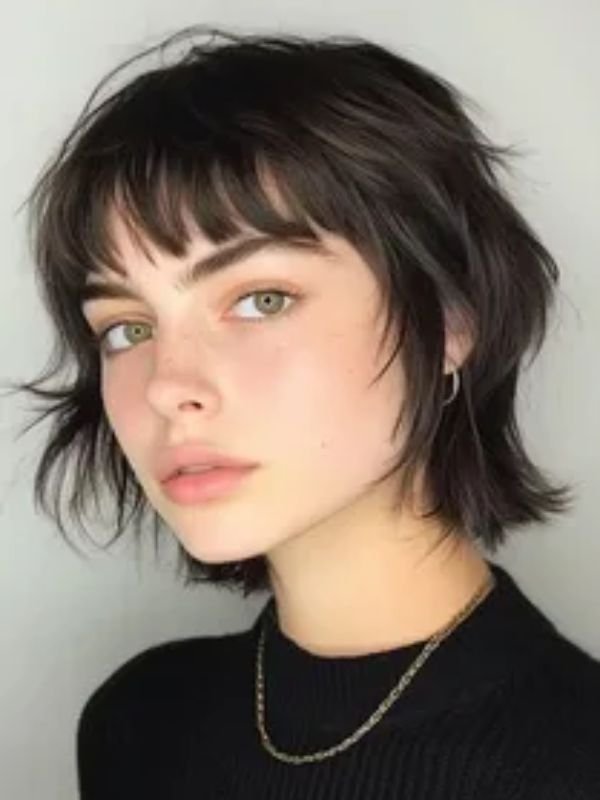
Picture heavy layers on top, wispy ends, and a tapered tail. It blends the wolf cut with the mullet and is popular with girls and pre-teens. Expect plenty of volume.
9. Mullet With Bangs
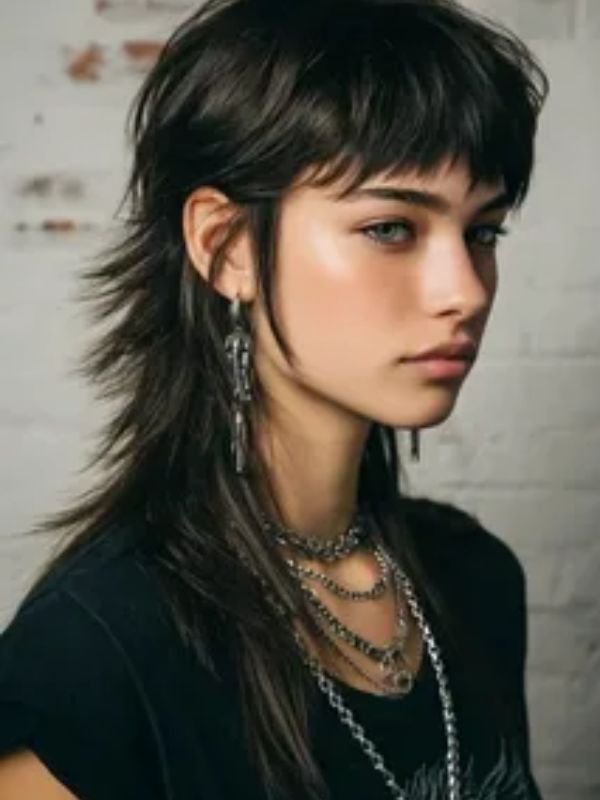
A soft fringe over the forehead adds a sweet, retro feel. It’s adorable on toddlers and girls. Plan on quick fringe trims so it never pokes into their eyes.
10. Mohawk Mullet
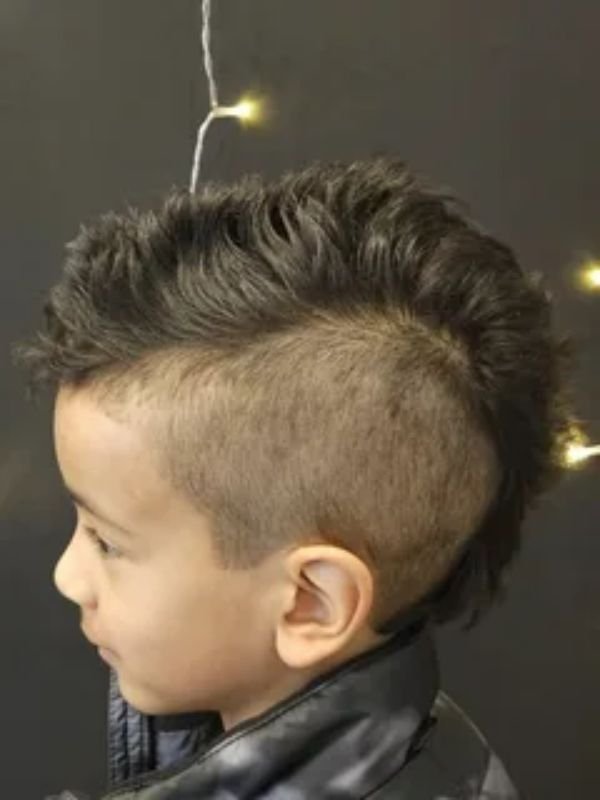
A longer strip of hair runs down the center, with shorter sides and a long tail. It’s loud and confident. Save it for kids who love standing out.
11. Undercut Mullet
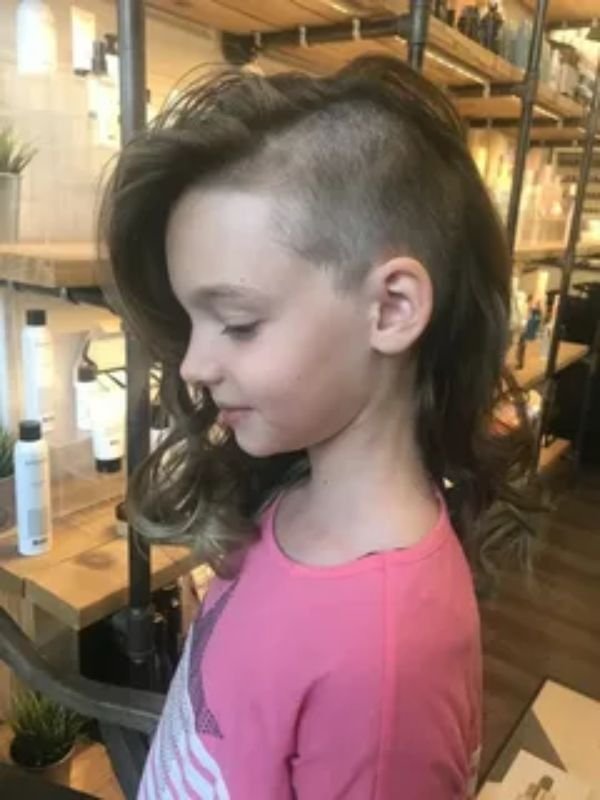
Closely clipped sides create strong contrast with the longer top and back. It looks edgy and crisp. Check your school’s rules before booking, since some limit sharp contrast.
12. Textured Crop Mullet
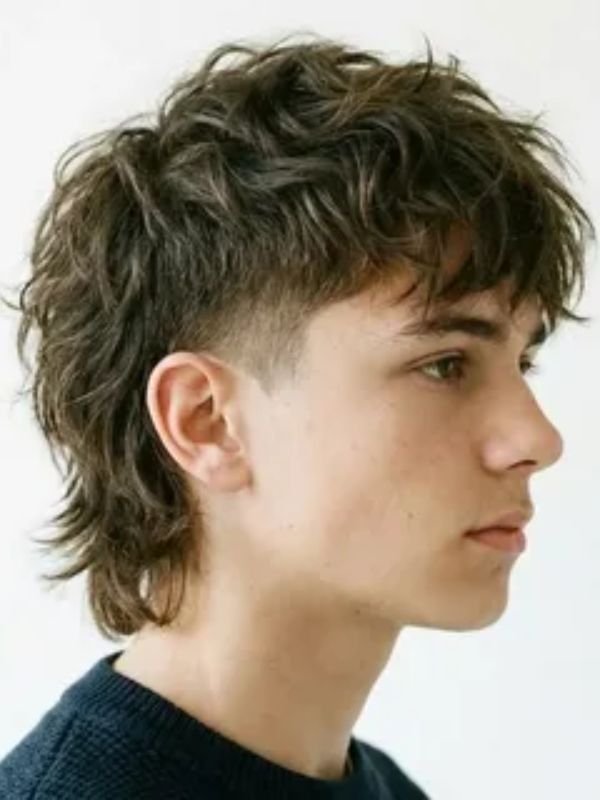
Choppy top, neat sides, and a short tail. It needs almost no styling, which is a win on busy mornings. It’s great for boys who resist product.
13. Surfer Mullet
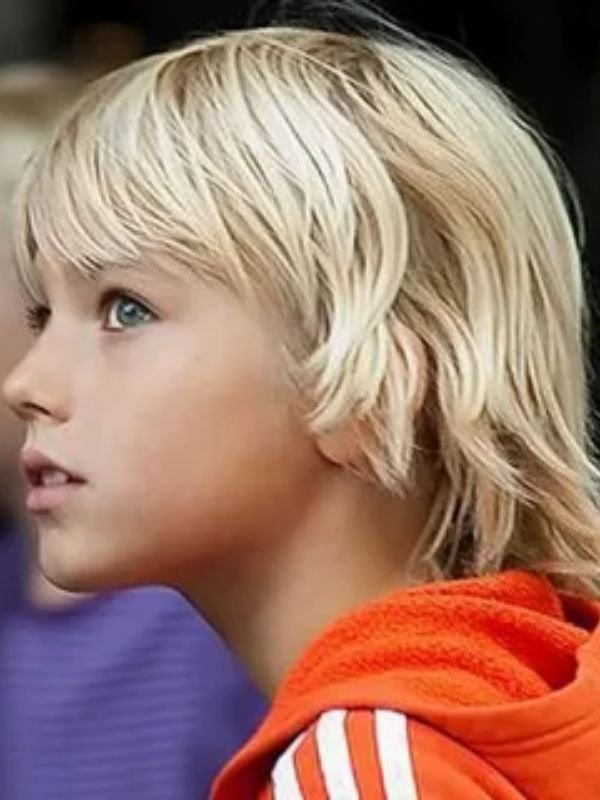
Loose waves, longer sides tucked behind the ears, and a sun-kissed feel. It suits wavy hair beautifully. A little sea salt spray goes a long way.
14. Hockey Hair Mullet
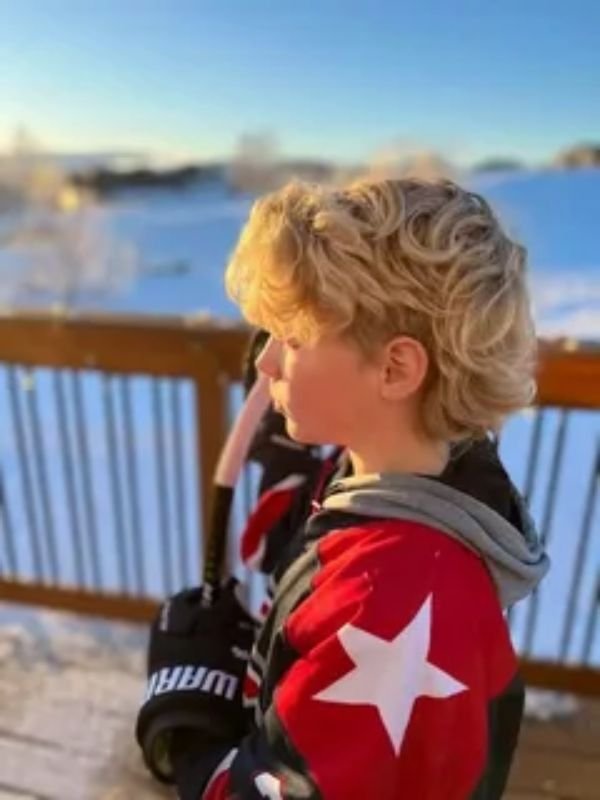
Long, flowing length at the back and sides, with a shorter top. It’s a favorite among sporty kids and hockey fans. Keep the ends trimmed so tangles stay under control.
15. Soft Layered Girls Mullet
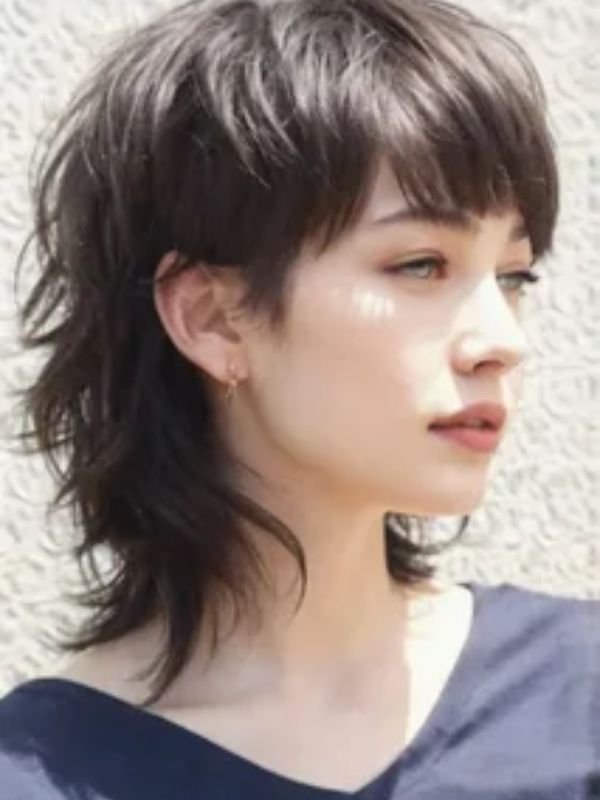
Gentle layers, face-framing pieces, and a longer back give this style a softer finish. Many girls love that it feels grown-up without being fussy. Add curtain bangs for extra charm.
16. Pixie Mullet

Short, feathered layers up front and a wispy tail behind. It’s light, breezy, and great for hot summers. It suits girls who want short hair with a twist.
17. Toddler Mullet
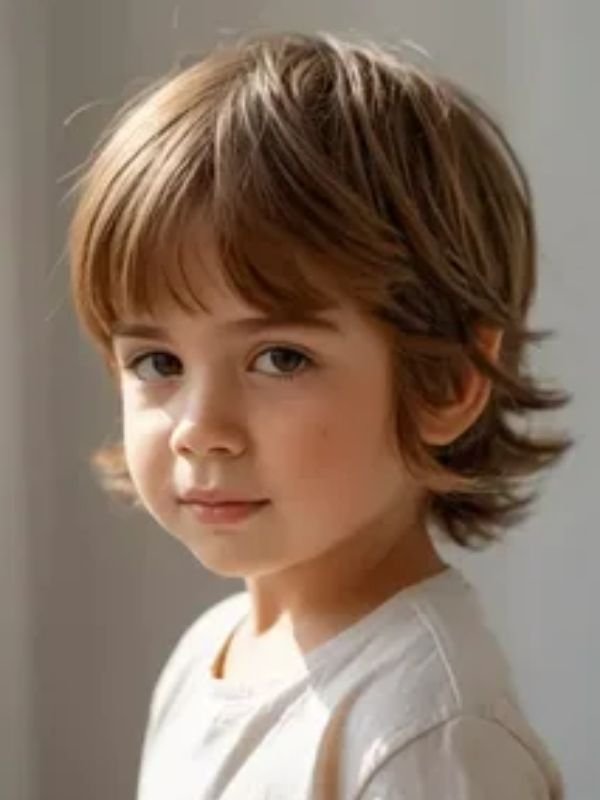
Soft layers around the face keep hair out of little eyes. The nape stays longer for that classic look. It’s comfortable for play, naps, and messy snack time.
18. Mullet With Design Lines
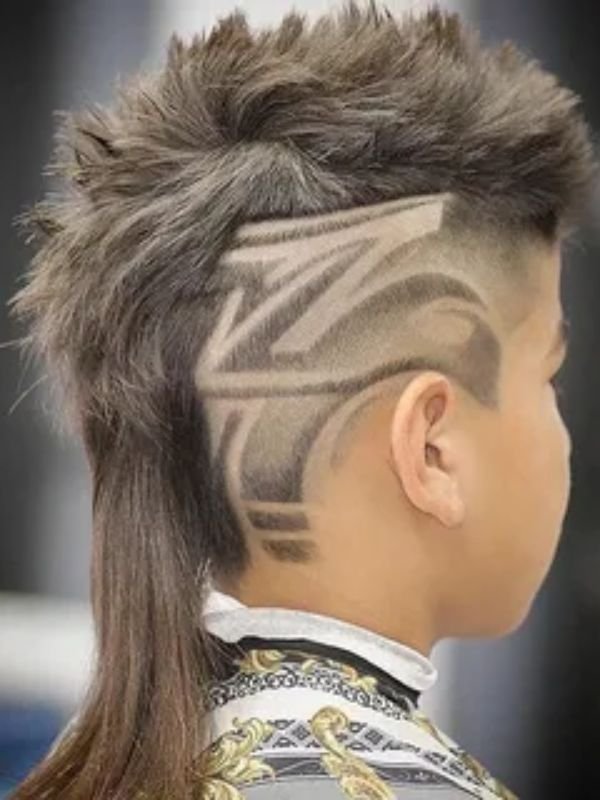
A barber carves thin lines or a small shape into the sides. It adds personality without adding length. Some barbers charge a little extra for the detail.
19. Colorful Mullet
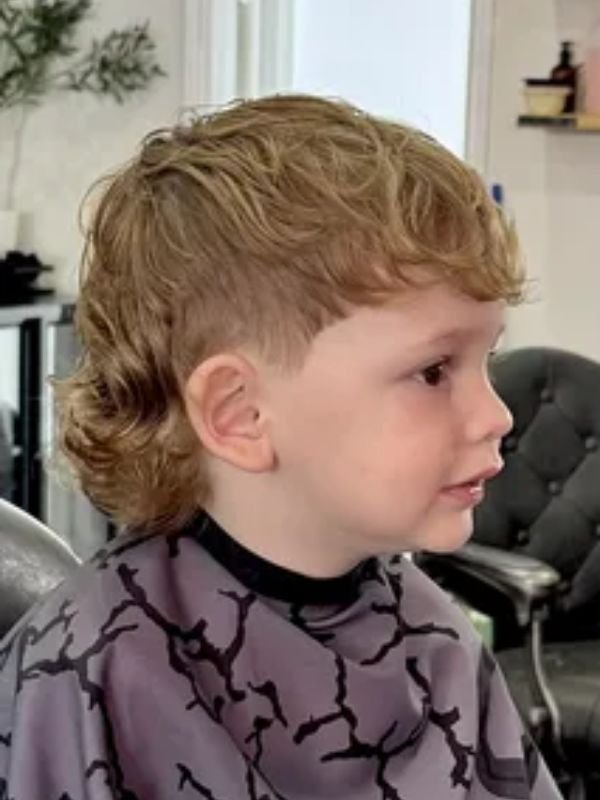
Temporary color, hair chalk, or gentle streaks add fun for parties and holidays. Stick to kid-safe products and wash them out afterward. Leave permanent dye for much later.
20. Slicked-Back Mullet
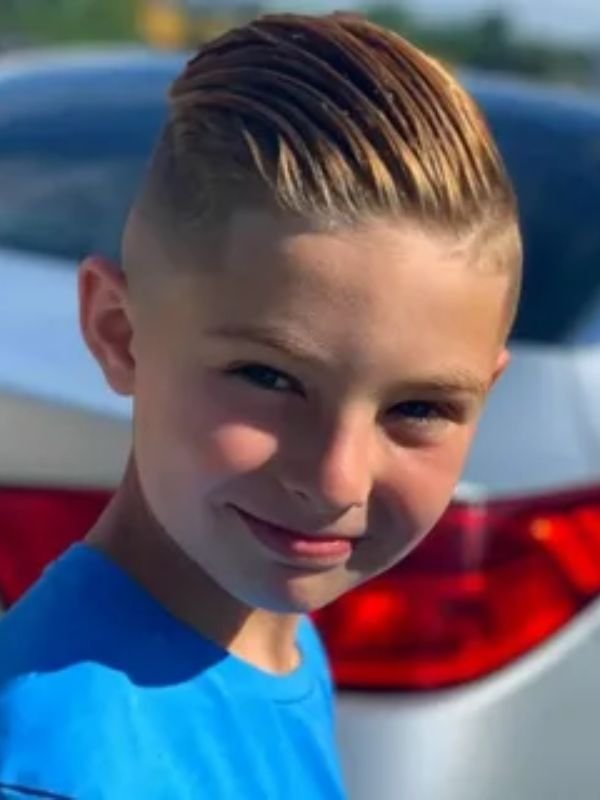
Comb the top back with a touch of water-based gel for a dressy look. The tail stays neat behind the neck. It’s perfect for weddings and family photos.
21. Long Flowy Mullet
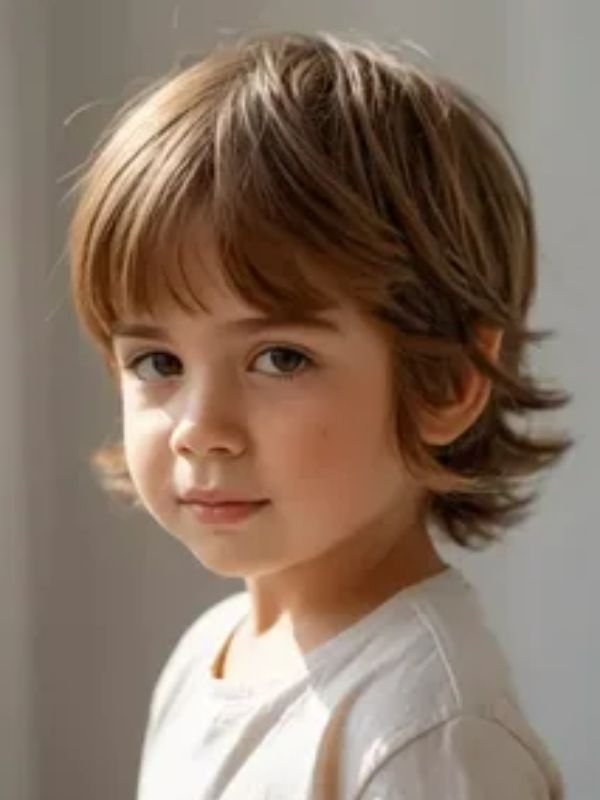
For kids who want to grow it out, this style lets the back reach the shoulders. Regular dusting keeps the ends healthy. It takes patience, but the payoff is unmistakable.
Not sure where to start? This table compares eight of the most requested versions of a kids mullet haircut.
| Style | Best for | Upkeep level |
| Classic Boys Mullet | Ages 4–12, first-timers | Low |
| Burst Fade Mullet | Thick hair, sporty kids | Medium |
| Curly Mullet | Curly and coily hair | Medium |
| Shag Mullet | Straight to wavy hair | Low |
| Mullet With Bangs | Toddlers and girls | Medium |
| Soft Layered Girls Mullet | Girls of all ages | Low |
| Undercut Mullet | Older kids and teens | High |
| Long Flowy Mullet | Patient growers | Medium |
Kids Mullet Haircuts by Hair Type
A kids mullet haircut looks best when it works with your child’s natural texture, not against it. Here’s how each hair type usually plays out, and what to ask for.
ALSO READ “Hispanic Low Taper Fade Styles (Clean & Modern Guide)
Straight Hair
Straight hair shows off clean lines and sharp fades. Try a taper fade or a textured shag to add movement. Thin layers stop it from falling flat.
Wavy Hair
Wavy hair is the easiest canvas. The surfer or shag mullet lets natural waves do the styling. Air-drying is often all you need.
Curly Hair
Curls love volume, so keep the top fuller and let the back spiral. A burst fade removes bulk around the ears. Ask the barber to cut curls dry or damp, so they see the true shape.
Coily Hair
Coily hair shrinks when dry, so the back may look shorter than planned. A shaped tail with a crisp fade looks striking. Moisture matters here, so leave-in conditioner is your best friend.
Fine or Thin Hair
Fine hair can look sparse if layered too heavily. Ask for subtle layers and a slightly shorter tail. A light texturizing spray adds body without weighing it down.
Thick Hair
Thick hair needs thinning at the sides to avoid a bulky, triangular look. A fade or taper removes weight without sacrificing length. Regular trims keep the shape from ballooning.
How to Choose the Best Kids Mullet Haircut
Choosing the best kids mullet haircut comes down to four things: age, face shape, lifestyle, and your child’s own opinion. Get those right and the rest gets easy.
Match the Cut to Your Child’s Age
Toddlers do well with soft, short-tailed versions. School-age kids can handle fades and layers. Teens can go bolder with undercuts and longer tails.
Consider Face Shape
Face shape changes how the layers and length land. Use this table as a starting point, not a rulebook.
| Face shape | Flattering mullet approach |
| Round | Taper fade with height on top and a longer tail |
| Oval | Almost anything, including shag, classic, or layered |
| Square | Soft layers and textured tops to soften angles |
| Heart | Side-swept fringe with a fuller tail |
| Long | Bangs and side volume to add width |
Think About Lifestyle
Active kids benefit from short fronts that stay out of the eyes. Swimmers may prefer a shorter tail to reduce tangles. Kids who hate brushing should skip very long styles.
Check School Rules
Some schools limit hair length or dramatic fades. Read the dress code before you book. A quick email to the office can save you a re-cut.
Let Your Child Have a Say
Kids stick with haircuts they chose themselves. Show them a few photos and let them point. It builds confidence and saves you the tears.
How to Ask a Barber for a Kids Mullet Haircut
Barbers picture different things when they hear the word “mullet.” When you book a kids mullet haircut, being specific saves time and stress for everyone in the chair.
Follow these steps:
- Bring reference photos. Two or three pictures showing the front, side, and back work best.
- Describe the sides. Say whether you want scissor-cut, taper, low fade, or burst fade.
- State the tail length. Choose collar, mid-neck, or shoulder.
- Mention hair texture. Tell the barber how the hair behaves at home.
- Ask for texture on top. Layers keep the cut from looking flat.
- Request a natural neckline. A soft edge grows out more gracefully than a hard block.
Here’s a script you can borrow: “We’d like a modern mullet with a low taper on the sides, some texture on top, and a tail that touches the collar. Please keep the back soft, not blunt.”
Pro tip: Book an early appointment when kids are calmer, and bring a snack. A happy kid sits still, and a still kid gets a better haircut.
How to Style and Maintain a Kids Mullet
A kids mullet haircut is one of the easier styles to maintain, but it isn’t zero effort. A few small habits keep it looking fresh between barber visits.
Simple Daily Routine
- Dampen the hair lightly and comb through with a wide-tooth comb.
- Apply a pea-sized amount of cream or paste to the top.
- Scrunch curls, comb straight hair, and tousle waves.
- Tuck the tail behind the ears or leave it loose, depending on the day.
Best Products for Kids
- Leave-in conditioner for easy detangling
- Light styling cream for texture
- Sea salt spray for waves, used sparingly
- Water-based gel for dressy days
- Avoid heavy waxes and harsh alcohol-based sprays
Trim Schedule
Regular trims are what keep a mullet looking deliberate. Here’s a simple schedule.
| Style type | Trim every | Focus area |
| Fade or taper | 3–4 weeks | Sides and neckline |
| Classic or textured | 4–6 weeks | Shape and top |
| Bangs | 2–3 weeks | Fringe length |
| Long flowy | 8–12 weeks | Dusting the ends |
Washing and Detangling
Wash two or three times a week rather than daily, since kids’ scalps dry out easily. Detangle from the ends upward and spritz the tail with a leave-in spray. A silk pillowcase or a loose braid at night prevents morning knots.
What Is a Kids’ Mullet Cut?
A kids mullet haircut is a style with shorter hair on the top, front, and sides and longer hair at the back. People often sum it up as “business in the front, party in the back.”
Modern barbers shape a kids mullet haircut with layers, fades, and texture, so it looks intentional. Key features include:
- A short or textured top and fringe
- Tapered, faded, or scissor-cut sides
- A longer nape or tail at the back
- Adjustable length for age and hair type
It suits boys and girls and works on straight, wavy, or curly hair. Unlike the 1980s version, today’s cut is cleaner and far less wild.
The Evolution of the Kids’ Mullet Haircut
The mullet is older than most people think. Some historians trace it back to ancient Greece, where cropped hair around the face and longer hair behind served both function and fashion. Short hair up front helped vision, and longer hair at the back protected the neck.
The style exploded in the 1970s and 1980s, worn by rock stars, athletes, and country singers. The name itself is credited to a 1994 Beastie Boys song, “Mullet Head.” After that, the haircut spent years as a punchline.
Then social media pulled it back. Barbers began posting fades and layered versions, and parents noticed. The USA Mullet Championships began crowning winners in 2020, and its kids division covers ages 1 to 12. By 2023, more than 900 kids entered.
Today, the kids mullet haircut is a real barbershop request rather than a joke. Modern versions favor texture, soft edges, and cleaner fades. Parents like the style because it’s practical, and kids like it because it’s fun.
Common Mistakes Parents Make With Kids Mullet Haircuts
Most mullet mishaps are easy to avoid. Watch out for these common slip-ups.
- Skipping reference photos. Words like “short front, long back” can mean ten different things.
- Choosing without your child. A cut they didn’t pick is a cut they’ll fight.
- Ignoring hair type. Copying a photo of a kids mullet haircut on straight hair rarely works for tight curls, and vice versa.
- Never trimming the tail. Untrimmed ends split, tangle, and make the whole shape look scruffy.
- Forgetting school rules. A great cut isn’t worth a call from the principal.
- Overloading on product. Heavy gel or wax leaves hair crunchy and irritates young scalps.
- Cutting it at home. Kitchen scissors and a wiggly kid rarely end well.
- Ignoring the neckline. A harsh, square edge looks odd as it grows out.
Kids Mullet Haircuts for School and Special Occasions
The good news is that a mullet can be casual or dressy. A little planning helps you get the right look for each setting.
School Days
Most schools accept a tidy mullet, though rules vary. Choose a taper or mini version with a neat neckline. With a little cream and a clean edge, a kids mullet haircut can look perfectly school-ready.
Sports and Play
Short fronts keep sightlines clear during games. Tie back long tails or use a loose braid for swimming, hockey, or gymnastics. Rinse chlorine out quickly to protect the ends.
Birthdays and Photos
Parties are the perfect time to go bolder. Try hair chalk, a design line, or extra texture. Photos love layers and movement.
Weddings and Holidays
Slick the top back with water-based gel and tidy the tail. Trim a few days ahead so the edges look crisp. A kids mullet haircut can look dressy when the neckline is clean and the hair is well-conditioned.
Frequently Asked Questions About Kids Mullet Haircuts
What is a kids mullet haircut?
It’s a style that’s short on the top and sides and longer at the back. Modern versions add fades, layers, and texture.
What age can kids get a mullet?
Any age works, from toddlers to teens. Just make sure the child likes the idea.
Is a kids mullet haircut good for girls?
Yes. Girls often choose soft layers, bangs, or a pixie mullet for a gentler finish.
Does a kids mullet haircut work on curly hair?
Absolutely. Curls add natural volume, and a barber can shape the cut around the curl pattern.
How often should I trim it?
Every 4 to 6 weeks for most styles. Fades and bangs need trims every 2 to 4 weeks.
How much does a kids mullet cost?
Prices typically run from $15 to $40, depending on the barber and location. Fades and design lines can cost a little more.
Is a mullet school appropriate?
Usually yes, if it’s tidy. Check your school’s dress code before booking.
How long does it take to grow out?
Hair grows roughly half an inch a month. A shoulder-length tail can take many months.
Which mullet is easiest to maintain?
A taper or burst fade mullet keeps the sides short and needs little daily styling.
Can I cut a mullet at home?
It’s best to see a barber for shaping. Save home trims for light dusting only.
Conclusion
The kids mullet haircut has grown up. It’s no longer a joke. It’s a flexible, low-effort style that works for boys, girls, and nearly every hair type. From a mini mullet to a long flowy version, there’s a shape for every personality.
Before you book, save a few reference photos, check your school’s rules, and let your child choose. Use the barber script above so the cut lands exactly right. Picking the right kids mullet haircut is really about matching the style to the kid.
Remember, the best kids mullet haircut is the one your child feels proud to wear. Save this guide, pick your favorite style, and book that appointment.

Ethan Parker is a hair and hairstyle writer with 5 years of experience researching haircuts, styling techniques, and hair trends. He shares simple tips, practical guides, and hairstyle ideas to help readers choose looks that suit them. His goal is to make hair care and styling easy to understand for everyone.