
Hispanic low taper fade styles are taking over barbershops right now, and it’s easy to see why.
You get a clean, sharp look that grows out nicely without losing shape.
It works for curly hair, straight hair, thick hair, pretty much anything you’re working with.
Maybe you’ve seen a friend walk in with a fresh cut and wondered how they got that smooth blend.
The secret is usually in the taper technique, not some fancy product or expensive salon.
A good barber, some patience, and the right cut choice can get you there too.
This guide walks you through the best Hispanic low taper fade styles you can ask for next time you sit in the chair.
We’ll cover classic looks, modern twists, and styles that pair well with curls, waves, or straight hair.
No confusing jargon, just real options you can point to on your phone and say “give me this one.”
By the end, you’ll know exactly which fade fits your face, your hair type, and your daily routine.
Whether you want something low-key for work or a bold statement for the weekend, there’s a style here for you.
Let’s get into it.
What Is a Low Taper Fade?
A low taper fade is a haircut where your hair gradually gets shorter as it moves down toward your ears and neckline. Unlike a high fade, the blend stays close to the bottom of your head, so you keep more length and weight on the sides. Your barber uses clippers to fade the hair without cutting all the way down to skin, which gives you a softer transition than a skin fade.
This is different from a mid fade, which starts blending around temple level, or a high fade, which starts up near the crown. A low taper fade keeps almost all of that fullness on top and only tapers the very bottom edge. That difference matters a lot once you start comparing photos, since the starting point changes the whole shape of the cut.
This style works so well because it is forgiving. You do not need a specific face shape or hair density to pull it off. The Hispanic low taper fade version leans into natural texture and keeps things looking put together, not overdone. It is the kind of cut that grows out gracefully, so you are not stuck booking a barber appointment every single week just to look presentable.
Most guys ask for a low taper because it is easier to maintain than a high or mid fade. The blend sits closer to your natural hairline, so regrowth does not look messy right away. That alone makes it one of the smartest choices for anyone who wants a low maintenance haircut that still looks fresh three weeks later.
Why Low Taper Fade Works Best for Hispanic Hair
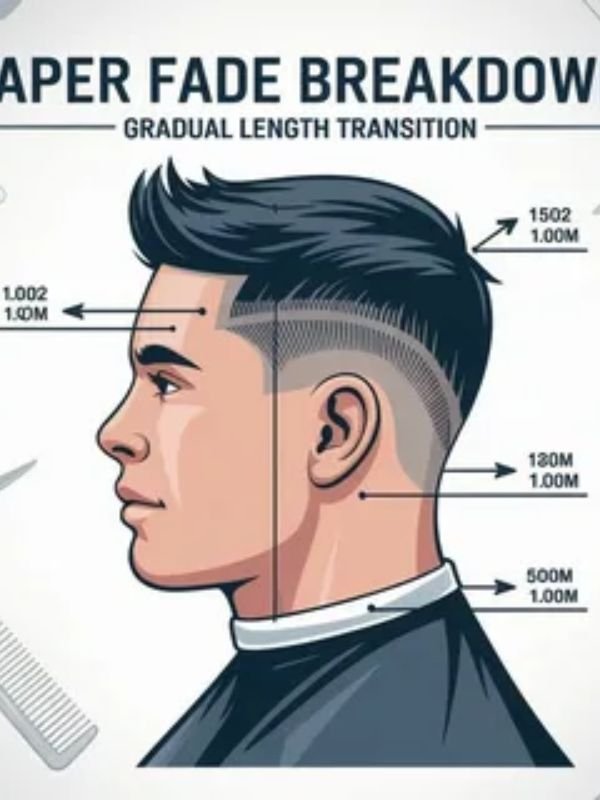
Hispanic hair comes in a wide range of textures, from thick and straight to wavy and tightly curled. A taper fade adapts to all of them because the cut does not rely on one specific hair type to look good. That is a big reason the Hispanic low taper fade has stuck around as a go-to choice year after year.
Thicker hair holds its shape well on top, so you can go bold with volume while the sides stay controlled and tidy. Wavy and curly hair gets to keep its natural bounce instead of being flattened into a shape that does not suit it. The low fade blends everything together without fighting your natural growth pattern, which is a common problem with cuts designed around straighter hair only.
There is a cultural piece to this too. Barbers who specialize in Latino grooming know how to work with denser hair and coarser strands without thinning it out too much or leaving patchy sections. A Hispanic low taper fade done by someone who understands these textures usually looks cleaner and lasts longer between cuts than one done by someone guessing their way through it.
On top of that, this cut pairs easily with hairlines that dip lower on the forehead, thicker eyebrows, and fuller beards, all traits that show up often in Hispanic and Latino grooming but that some barbers unfamiliar with the culture might not know how to work around confidently.
Most Popular Hispanic Low Taper Fade Styles
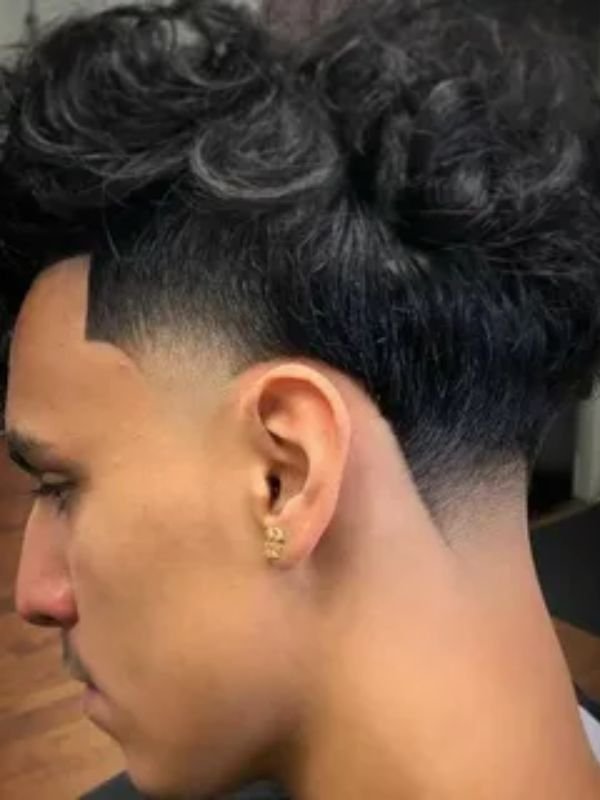
There is no single way to wear this cut, and that is part of why it has stayed popular for years instead of fading out like a lot of trends do. Here are some of the most requested Hispanic low taper fade variations right now:
- Edgar haircut with low taper – blunt fringe up front, low fade on the sides
- Slick back low taper – polished, styled top with a clean fade underneath
- Curly top low taper – natural curls left loose and full on top
- Textured crop taper – short, choppy texture for a relaxed, everyday look
- Low taper with hard part – a thin shaved line added for extra detail
- Pompadour low taper – height and volume on top, tight fade at the bottom
- Buzz cut with low taper – short all over with one clean, subtle blend
- Mullet taper fade – length kept in the back for a retro twist
Each of these takes the same base cut and changes things up on top. That flexibility is exactly why so many guys keep coming back to a Hispanic low taper fade instead of switching to something new every few months. You get variety without losing the clean, low-maintenance foundation that made you pick this cut in the first place.
ALSO READ “Low Taper Blowout: What It Is“
Edgar Haircut with Low Taper Fade
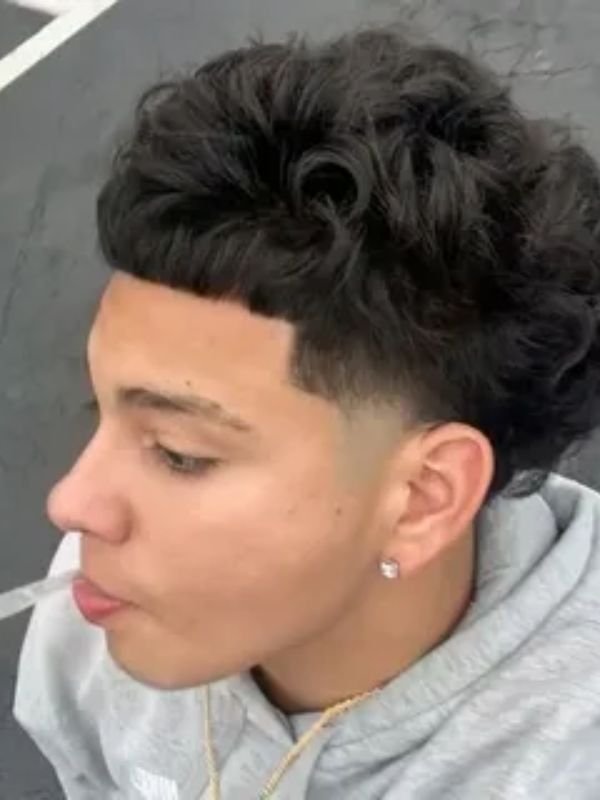
The Edgar haircut is probably the most recognized style paired with a low taper fade right now. It features a straight, blunt fringe across the front, almost like a soft bowl shape, combined with a tight fade on the sides. This combo has deep roots in Latino barbering and shows up everywhere from school hallways to social media feeds.
What makes the Edgar with a Hispanic low taper fade stand out is the contrast. The fringe stays thick and geometric up top while the sides fade down smooth and subtle. It is a bold statement without going overboard, since the low fade keeps things from looking too flashy or over the top.
This style works best on straight to slightly wavy hair, since the fringe needs to lay flat for that clean, blunt line to actually show up. If your hair has a lot of curl, ask your barber about a slightly modified version that keeps some texture in the fringe instead of forcing it flat with product.
Plenty of guys pair the Edgar with a beard fade too, which pulls the whole face together. The straight line across the forehead plays off nicely against the softer, rounded edges of a connected beard, giving you a shape that reads as intentional from every angle.
Low Taper Fade with Curly or Wavy Top
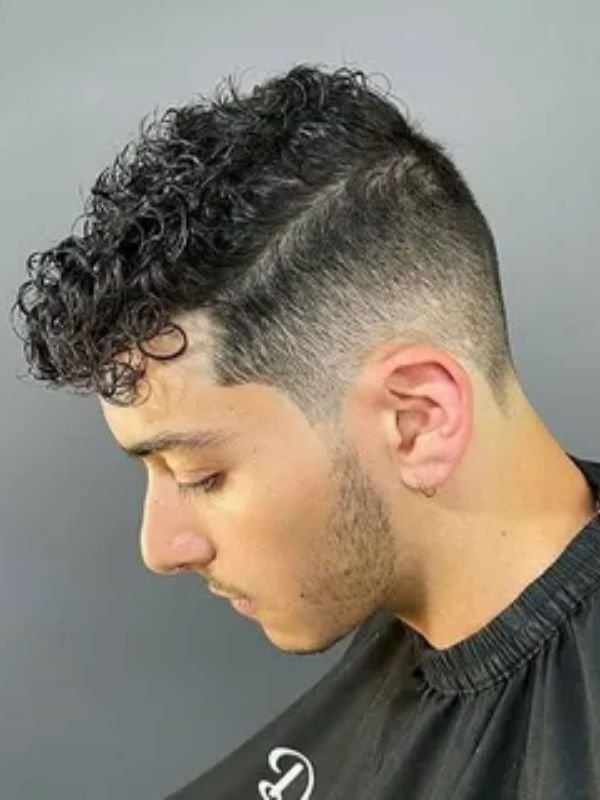
If you have got natural curls or waves, you do not have to fight them to get a clean look. A curly hair fade pairs a low taper on the sides with loose, bouncy curls left longer on top. The fade cleans up the edges while your curls do their own thing up top, which is exactly the balance most guys are chasing.
This version of the Hispanic low taper fade works because curls add texture and movement that a lot of straight cuts cannot match. You get volume without it looking messy, since the tight sides balance out the fuller top and keep the whole shape from feeling out of control.
Wavy hair works the same way but with a bit more control involved. A light texturizing cut on top keeps the waves defined instead of puffy or flat. Ask your barber to leave a little extra length on top if you plan to style it with a light product for definition and shine.
One thing worth knowing going in: curly hair often looks shorter once it dries and springs up, so tell your barber to leave a bit more length than you think you need. Cutting curls too short while they are stretched out wet is one of the most common mistakes barbers make with this hair type.
Low Taper Fade with Straight Hair
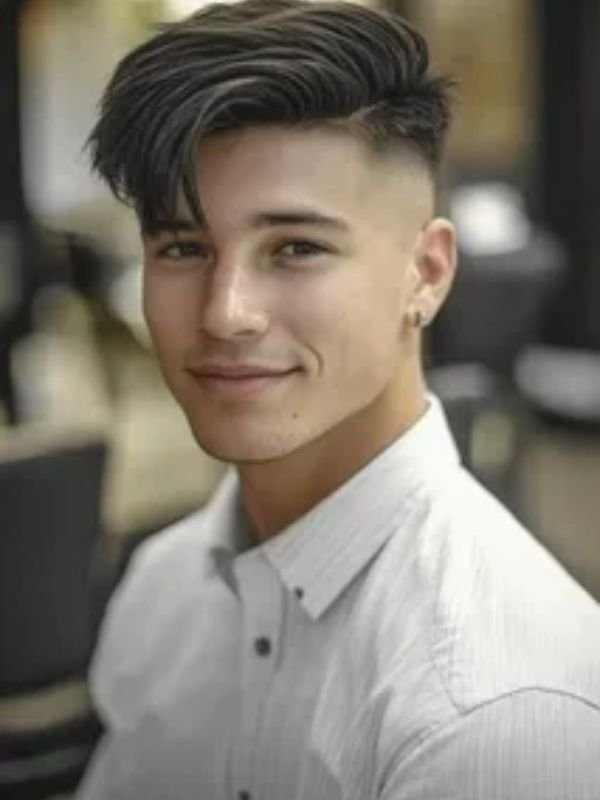
Straight hair takes to a low taper fade almost effortlessly. The lines stay crisp and the fade blends smoothly since there is no curl pattern fighting against the clippers. This is why so many barbershop photos of a Hispanic low taper fade feature straight hair styled slick back or in a textured comb-over.
A slick back low taper gives you a polished, professional look that works for the office or a night out. All you need is a light pomade to keep everything in place without it looking greasy or overdone. The fade stays clean underneath while the top holds its shape from morning through evening.
If you want something more relaxed, a textured comb-over gives you movement instead of a stiff, glued-down look. Straight hair holds a hard part especially well too, since the shaved line stands out clean against smooth, flat strands without any frizz getting in the way.
Styling tools help here as well. A round brush and a blow dryer on low heat can add a bit of volume to straight hair that would otherwise sit flat, giving your Hispanic low taper fade a fuller finish without needing a ton of product.
Low Taper Fade with Beard (Latino Style)
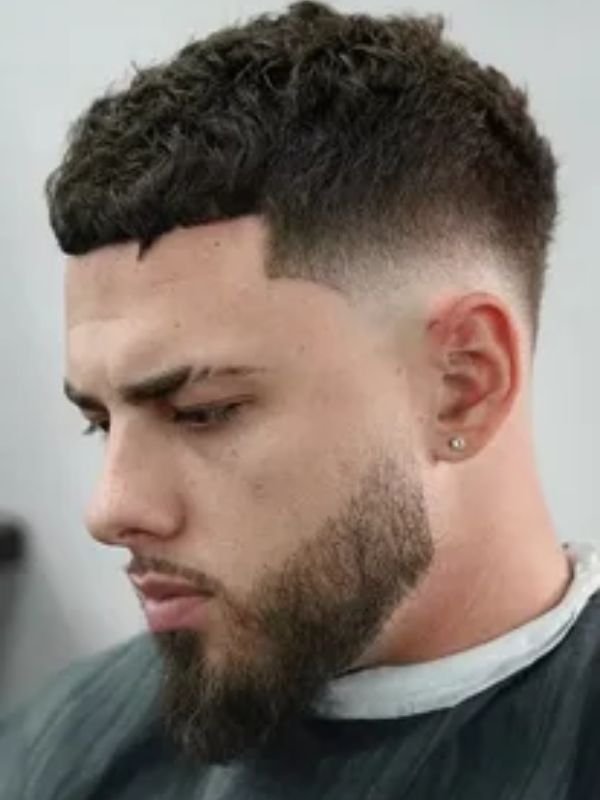
Pairing a beard with your Hispanic low taper fade pulls the whole look together. A beard fade blends the hair on your face into the fade on the sides of your head, so there is no harsh line separating the two. It has become a signature combo in Latino grooming culture, and for good reason.
Ask your barber to connect your sideburns into your beard using the same taper technique as your haircut. This keeps everything looking intentional instead of like two separate styles slapped together on the same head. A tight beard fade with a low taper on the sides is one of the cleanest ways to frame your jawline and cheekbones.
If your beard is patchy, do not stress about it too much. A skilled barber can shape around thin spots and still make the fade look sharp and even. Keep your beard trimmed and lined up every couple weeks to match the freshness of your fade underneath, since a scruffy beard next to a crisp fade throws off the whole balance.
A beard oil or balm a few times a week also keeps facial hair soft and easier to shape, which makes each touch-up appointment faster and the fade line easier for your barber to follow.
Clean vs Bold Hispanic Low Taper Fade Looks
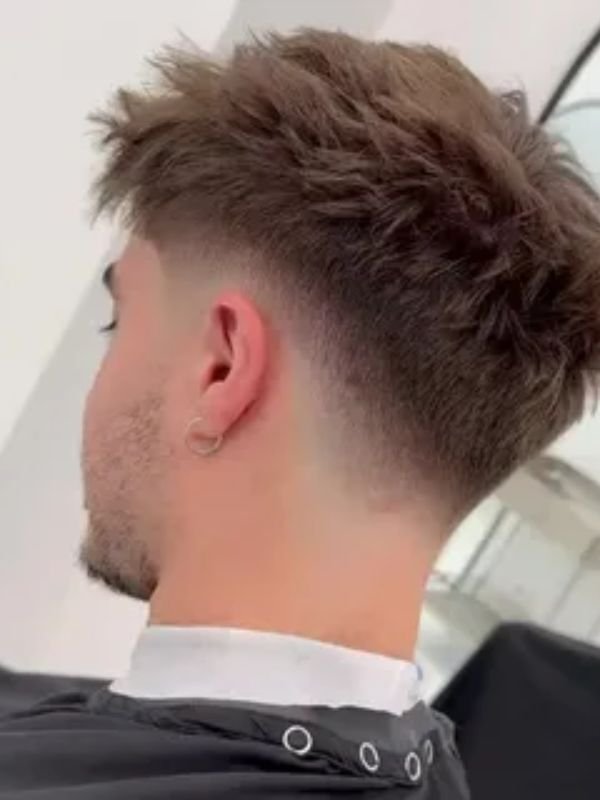
Not every Hispanic low taper fade looks the same, and that is honestly the point. Some guys want something quiet that works for a job interview or a family event. Others want a cut that makes a statement the second they walk into a room. Here is a quick comparison to help you figure out which lane fits you:
| Feature | Clean Hispanic Low Taper Fade | Bold Hispanic Low Taper Fade |
|---|---|---|
| Top style | Slick back or short crop | Curly top, pompadour, or long fringe |
| Fade blend | Very soft, barely noticeable | Slightly sharper contrast |
| Extra details | None, or a subtle side part | Hard part, design lines, shaved details |
| Best for | Work, interviews, formal events | Weekends, parties, social media |
| Maintenance | Every four to five weeks | Every two to three weeks |
Clean versions lean into that soft, natural blend the Hispanic low taper fade is known for in the first place. Bold versions push the details further with sharper lines and more texture on top. Neither one is more correct than the other. It really comes down to your lifestyle, your workplace, and how much upkeep you are willing to commit to between visits.
A lot of guys actually switch between the two depending on the season or what is going on in their life. Clean for a new job, bold for summer break. Your barber can adjust the same base fade to move between these looks without starting completely over each time.
Best Low Taper Fade for Different Situations
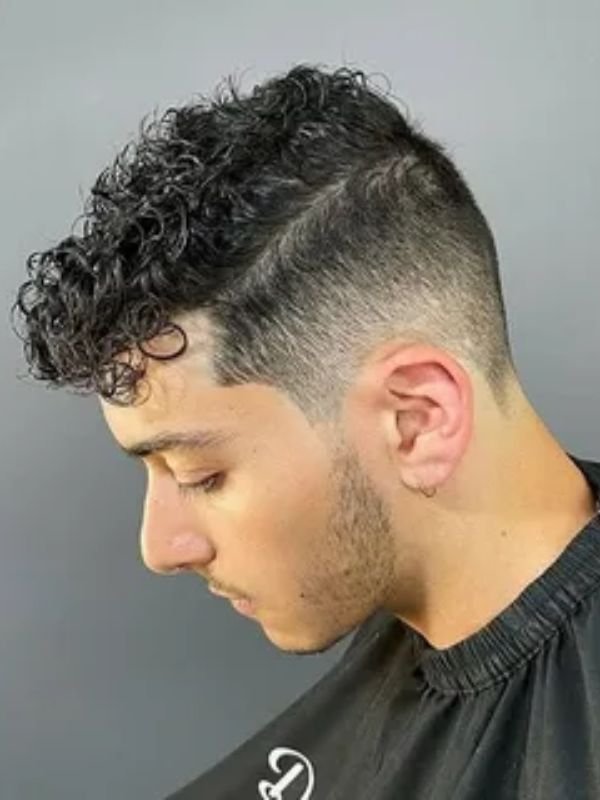
Picking the right version of this cut depends a lot on where you are wearing it. A style that kills it at a party might feel like too much at the office the next morning. Here is a quick breakdown to help you match the cut to the moment:
| Situation | Recommended Style |
|---|---|
| Work or office | Slick back low taper, soft clean edges |
| School | Textured crop or Edgar haircut |
| Formal event | Pompadour low taper, polished finish |
| Casual weekend | Curly top or textured taper |
| Job interview | Low taper with a soft, natural fade |
| Date night | Low taper with a connected beard fade |
For work, keep it simple. A slick back or short crop with a soft fade reads as put together without trying too hard in front of coworkers. For school or casual hangouts, you have got more room to play with texture, volume, and detail work.
If you are heading into a job interview, go with the cleanest version of your Hispanic low taper fade you can get. Skip the hard parts and shaved designs for now, at least until you know the workplace culture. Save the bolder styling for weekends when you are not being judged by a hiring manager across a desk.
How to Ask Your Barber for the Right Fade
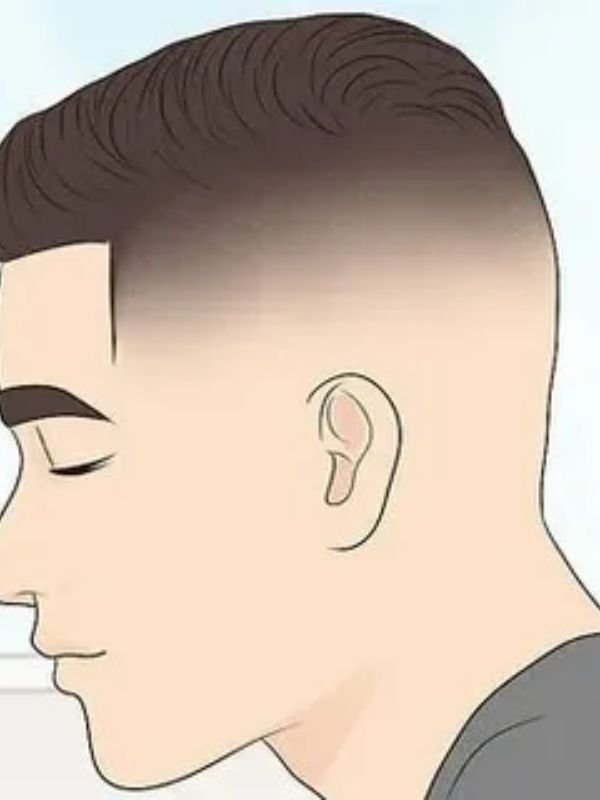
Walking into a shop without the right words can turn into a haircut you did not actually ask for. Bring a photo if you can, even if it is just a screenshot saved from Instagram or Pinterest. Barbers work off visuals way better than long descriptions alone, no matter how detailed you try to make them.
Say exactly where you want the fade to start. For a Hispanic low taper fade, tell them “low, right above the ear, not too high up.” Mention how much length you want left on top, and whether you want a hard part, a taper on your beard, or a clean, tight neckline.
Do not be afraid to ask questions while the cut is happening. If something feels off partway through, speak up before the clippers go any further. A good barber wants you to leave happy, and most will happily adjust as they go if you give clear feedback early instead of staying quiet.
It also helps to mention your hair type up front, especially if you have curls or coarse strands. Telling your barber “my hair shrinks a lot when it dries” or “I want extra length left on top” saves you from a cut that looks too short once it settles into its natural pattern.
Maintenance Tips to Keep It Fresh
A low taper fade grows out slower than a high fade, but it still needs regular upkeep to stay sharp and defined. Book a touch-up every two to four weeks depending on how fast your hair grows and how bold your particular style is.
Use a light pomade or texturizing cream to keep the top styled without weighing it down or making it look wet all day. If you have curls or waves, a leave-in conditioner keeps them defined instead of frizzy by midday. Straight hair styled with a slick back benefits from a matte or shine pomade depending on the finish you are going for.
Wash your hair two to three times a week instead of every single day. Overwashing strips the natural oils that keep curls and waves looking healthy and bouncy. Trim your beard alongside your fade so both stay on the same schedule and continue to look intentional together instead of mismatched.
At night, a satin or silk pillowcase and a light durag can protect your fade lines and keep curls from getting flattened or frizzed out while you sleep. It is a small habit that stretches the fresh look of your haircut by several extra days.
How Much Does a Hispanic Low Taper Fade Cost?
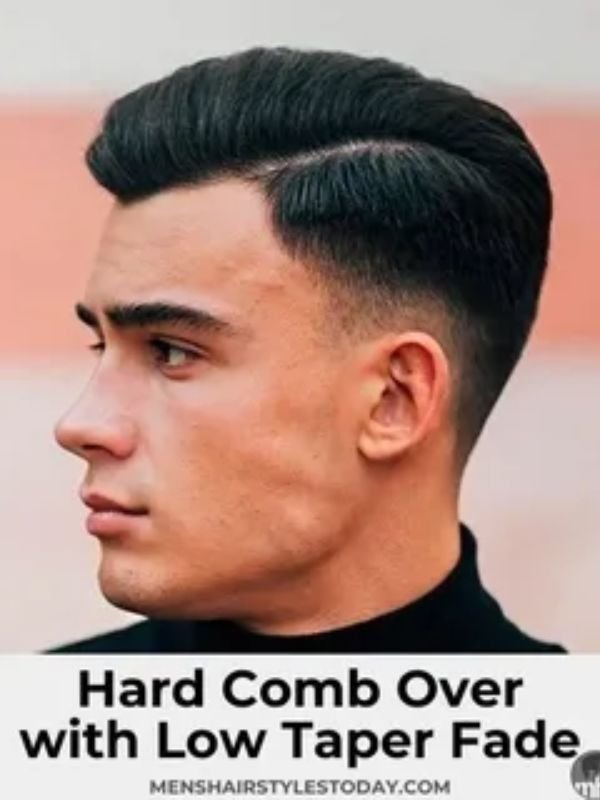
Cost is one of the most common questions guys have before booking their first Hispanic low taper fade, so it helps to know what to budget for.
Pricing depends heavily on where you live and who you book with. A standard taper fade at a local barbershop usually runs somewhere between fifteen and forty dollars in most areas. Add-ons like a beard fade, hard part, or a design line usually bump that price up a bit further.
Barbers who specialize in Latino cuts and have a strong reputation for Edgar haircuts or detailed taper work may charge more, especially in bigger cities. It is worth paying a little extra for someone who clearly understands the texture and shape you are going for, rather than gambling on a cheaper cut that might miss the mark.
Tipping fifteen to twenty percent is standard if you are happy with the result. Building a relationship with one barber over time usually means faster appointments, fewer miscommunications, and a Hispanic low taper fade that gets sharper and more dialed in with every single visit.
Final Thoughts
The Hispanic low taper fade has stuck around because it just works. It bends around whatever hair type you have got, pairs easily with a beard or a clean shave, and looks just as good dressed up as it does dressed down for a weekend hangout. That kind of range is rare for a single haircut.
Whether you go with an Edgar fringe, a curly top, or a clean slick back, you are picking from one of the most flexible styles barbershops offer right now. Bring a reference photo, tell your barber exactly what you want, and stay involved during the cut, and you will walk out with a style that actually fits your face and your life.
Frequently Asked Questions
Is low taper fade good for Hispanic hair?
Yes. It works with straight, wavy, curly and thick Hispanic hair without needing any major texture changes first.
How long does a low taper fade last before it needs a touch-up? Most guys stretch touch-ups to three or four weeks before the fade line starts growing out and softening.
Does a low taper fade work well with a beard? Yes. A connected beard fade blends smoothly into a low taper for a clean, put-together look overall.
Is the Edgar haircut the same thing as a low taper fade? No. Edgar refers to the blunt fringe on top. The low taper fade describes the treatment on the sides and back.
Can curly hair handle a low taper fade without looking too short? Yes, as long as your barber leaves enough length on top to account for shrinkage once curls dry.
Is a low taper fade considered low maintenance? Yes, especially compared to high fades. It grows out slower and needs fewer barbershop visits overall.
Best Fades for Curly Hair – Easy & Complete Guide
Curly hair has its own set of rules when it comes to fading, and skipping them usually leads to disappointment. Your barber needs to cut it dry in a lot of cases, since curls shrink up a lot when wet and can end up shorter than planned once they fully dry out and spring back.
A Hispanic low taper fade on curly hair usually keeps more length on top than a straight-hair version of the same cut. This gives your curls room to spring and show off their natural pattern instead of getting cut too close and losing their shape entirely. Ask for a curl-aware trim if your barbershop offers that specific service.
Product matters a lot here too. A curl cream or leave-in conditioner applied on damp hair helps define your curl pattern without making it feel stiff or crunchy. Avoid heavy gels unless you really want that tighter, more set look. Scrunching product in works better than brushing it through, since brushing tends to break up your natural curl clumps.
Curly fades also benefit from a slightly longer stretch between cuts. Since curls shrink and hide some of the fade’s growth naturally, you can often go four or five weeks before things start looking uneven or in need of a refresh.
Diffusing your hair with a blow dryer on low heat, instead of air drying flat against your head, helps curls dry into a fuller, more defined shape that pairs beautifully with the tight sides of a low taper fade.
Low Taper Fade: Complete Beginner Guide
If this is your first time getting a Hispanic low taper fade, here is what to expect from start to finish. The whole cut usually takes twenty to forty minutes depending on how detailed you want the top and whether you are adding a connected beard fade at the same time.
Your barber will start with clippers on the sides, working from a longer guard near your part line down to a shorter guard near your ear and neckline. They will blend these lengths together carefully so there is no visible line, just a smooth gradient running from long down to short.
Once the sides are finished, they will move to the top, cutting it to whatever length and style you asked for, whether that is a slick back, a curly top, or a textured crop. A straight razor or trimmer usually finishes off the hairline and neckline for sharp, clean edges that photograph well.
Here is a simple checklist to run through before your first appointment:
- Save a reference photo of the exact style you want to walk out with
- Know your hair type and mention it clearly to your barber up front
- Decide roughly how much length you want left on top before you sit down
- Ask about beard blending if you plan on growing or keeping facial hair
- Book your next touch-up appointment before you even leave the chair
Going in prepared makes a huge difference, especially if you are seeing a brand new barber for the first time and have not built up that relationship yet.
Conclusion
The Hispanic low taper fade earns its popularity honestly. It works with nearly every hair texture, pairs easily with a beard, and flexes between clean and bold depending on your mood or the occasion in front of you. From the Edgar fringe to a loose curly top, there is a version built for your exact style and daily life. Bring a photo, speak up during your cut, and keep up with regular touch-ups to keep it looking sharp between every single visit.
FAQs
What is the difference between a Hispanic and a Mexican low taper fade? Hispanic styles tend to look softer and more natural overall. Mexican styles often lean sharper with bolder lines.
How do I ask for this cut using Spanish terms at the shop? Try saying “corte bajo con desvanecido,” which roughly translates to a low fade cut.
Does this style suit round faces well? Yes. Added height on top from a pompadour or textured crop helps balance out a rounder face shape.
Is a low taper fade considered appropriate for work? Yes, especially the clean, slicked-back version without extra design details or shaved lines added in.

Ethan Parker is a hair and hairstyle writer with 5 years of experience researching haircuts, styling techniques, and hair trends. He shares simple tips, practical guides, and hairstyle ideas to help readers choose looks that suit them. His goal is to make hair care and styling easy to understand for everyone.

1 thought on “Hispanic Low Taper Fade Styles (Clean & Modern Guide)”